Fail Better: In Conversation with Girl in Red and Anders Danielsen Lie
Cannes, May 2026
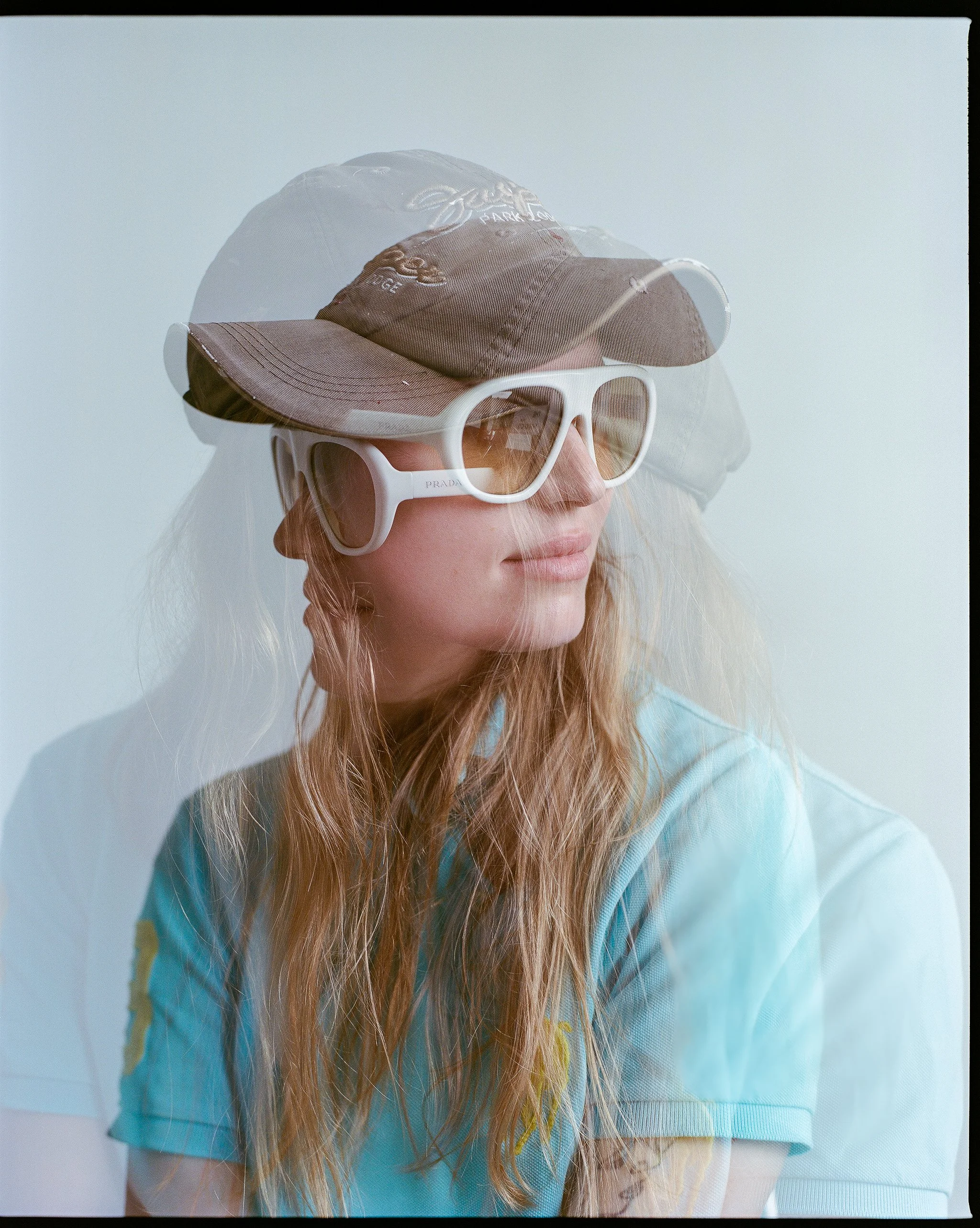
Interview and portraits by Burcu Beaufort
Premiered in the Quinzaine des Cinéastes section at the 2026 Cannes Film Festival, Low Expectations by Norwegian director Eivind Landsvik is a tender, quietly uplifting portrait of a young musician, Maja (Marie Ulven), whose life collapses at the height of her stardom.
The film features indie-pop artist Marie Ulven (internationally known as Girl in Red) alongside acclaimed actor and fellow musician Anders Danielsen Lie as Johannes, a high school teacher. We follow Maja as she retreats from the pressure of her former success as a musician and slowly begins to rebuild herself in the quiet of her hometown, away from the stage and the expectations that once defined her.
Film stills below by Andreas Bjørseth.
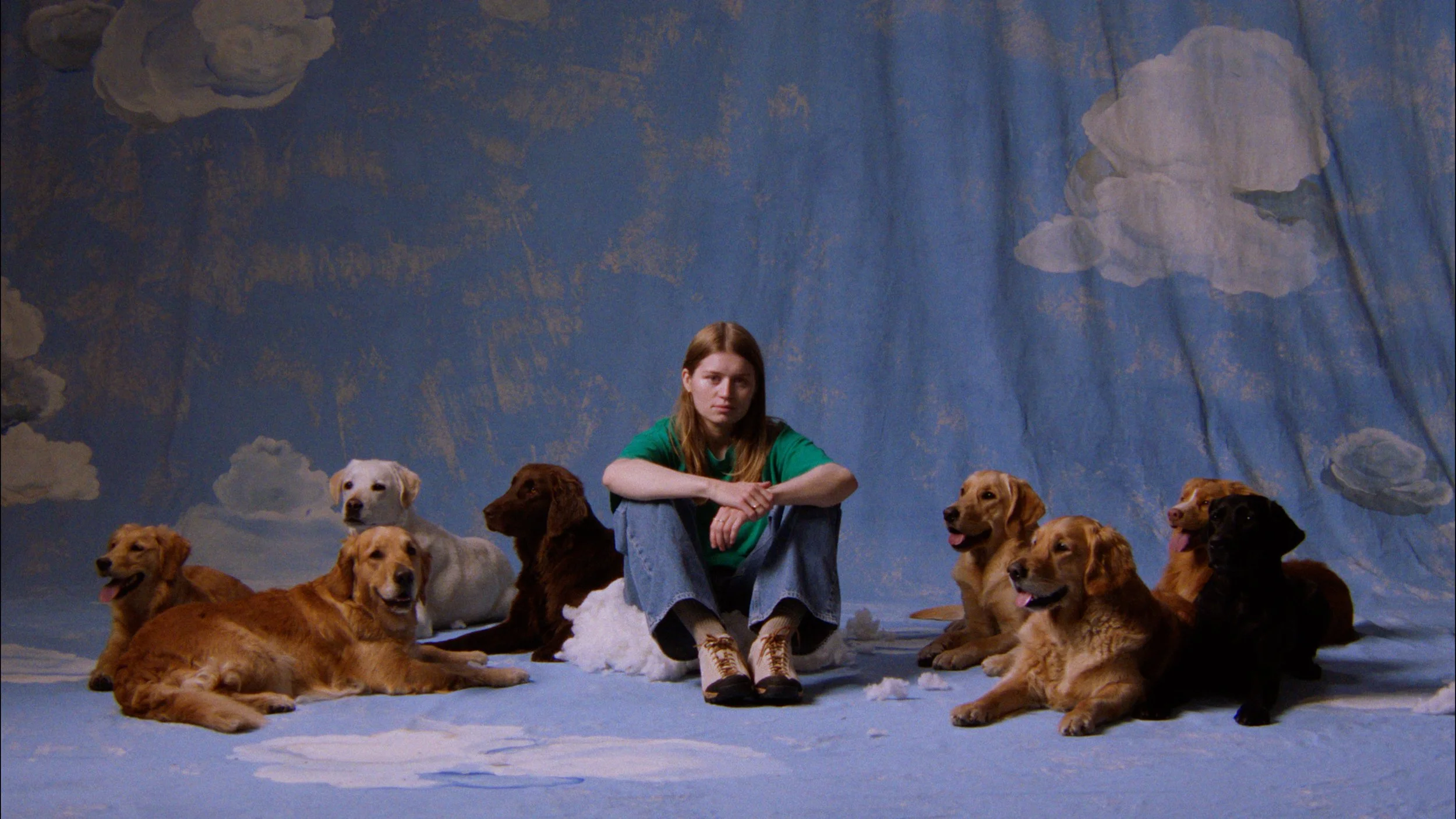
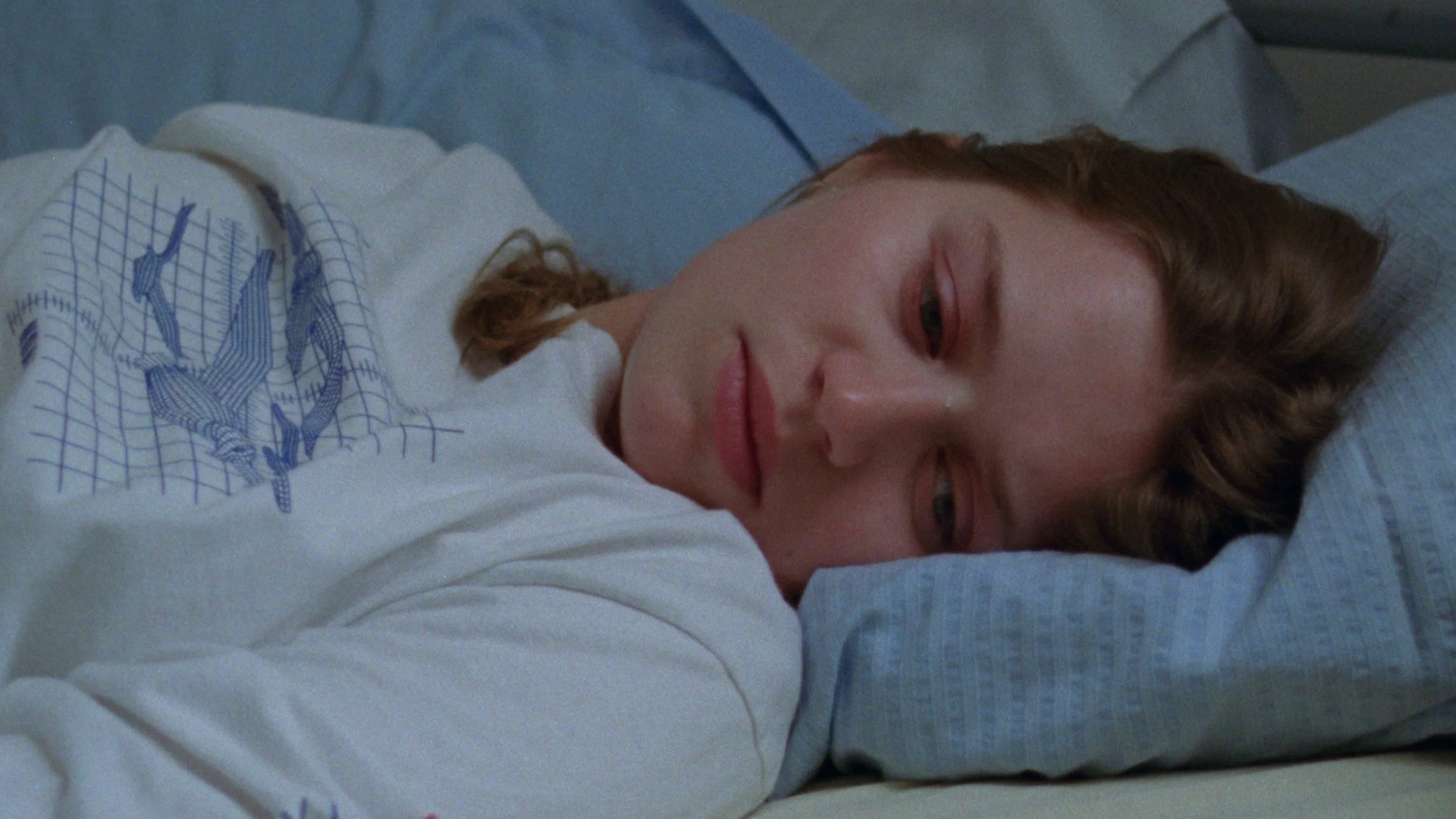
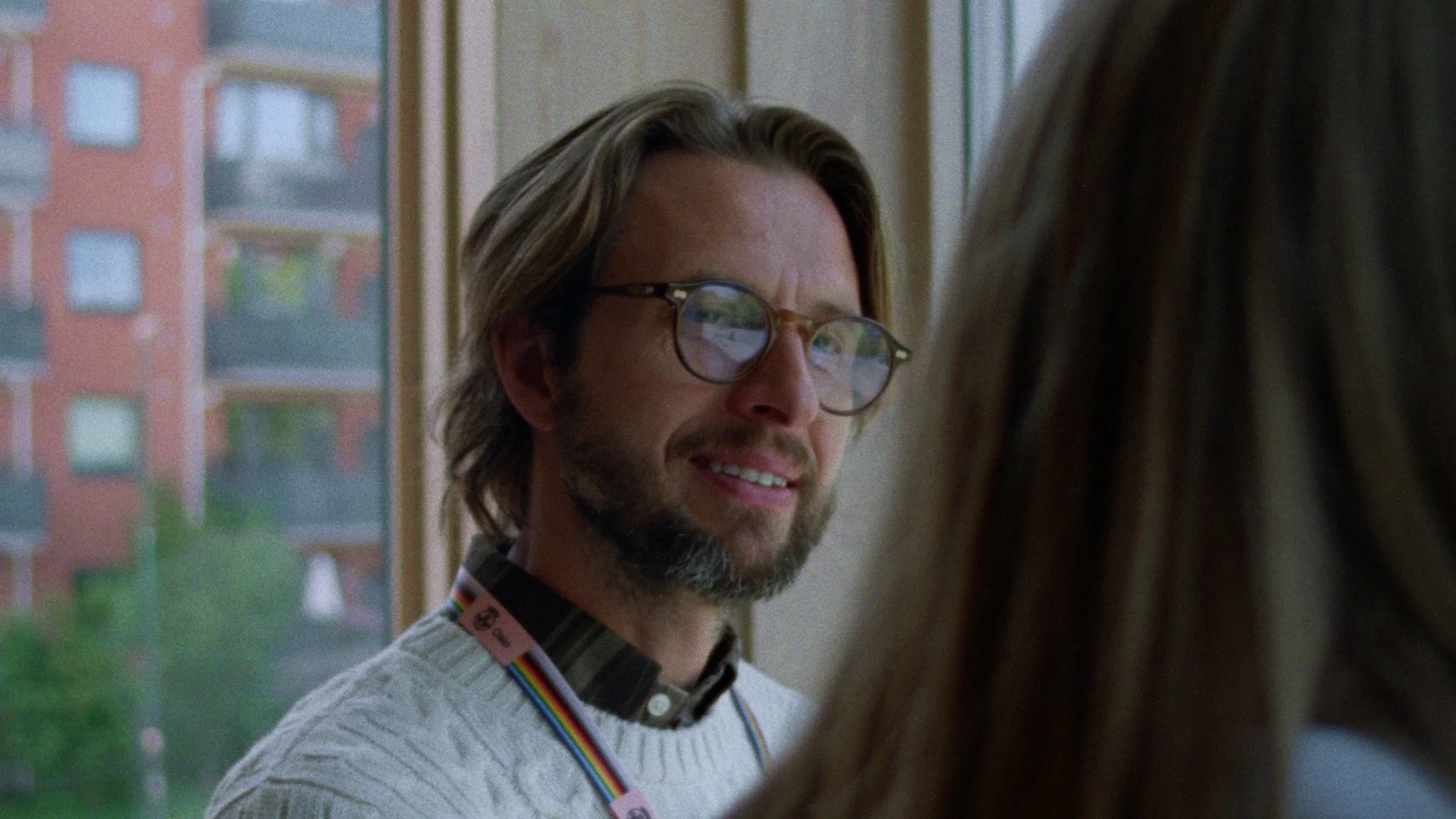
Burcu Beaufort: How do you feel about the title Low Expectations? Is it a form of self-protection, both in the film and personally?
Marie Ulven: My grandfather said to me before Cannes, “I want you to expect the worst, Marie, so that you might be pleasantly surprised.” I think going through life with low expectations is kind of important because otherwise you risk being constantly disappointed.
But at the same time, I don’t think disappointment is necessarily bad. I think it’s also brave to have high expectations and allow yourself to be disappointed and sad. You have to stay true to what genuinely excites you and what gives you expectations in the first place.
Anders Danielsen Lie: I totally agree. There’s a dynamic between low expectations and high expectations. If you don’t have any expectations at all, then nothing really happens in your life. You need some expectations about what you want to achieve, happiness, meaning, all of that.
But if your expectations become too high, you end up disappointed and you might run into some kind of crisis. Though that can also be a good thing because then you return to zero and build everything up again. That’s a bit how life works. It moves in circles, and there’s nothing pathological about having a crisis.
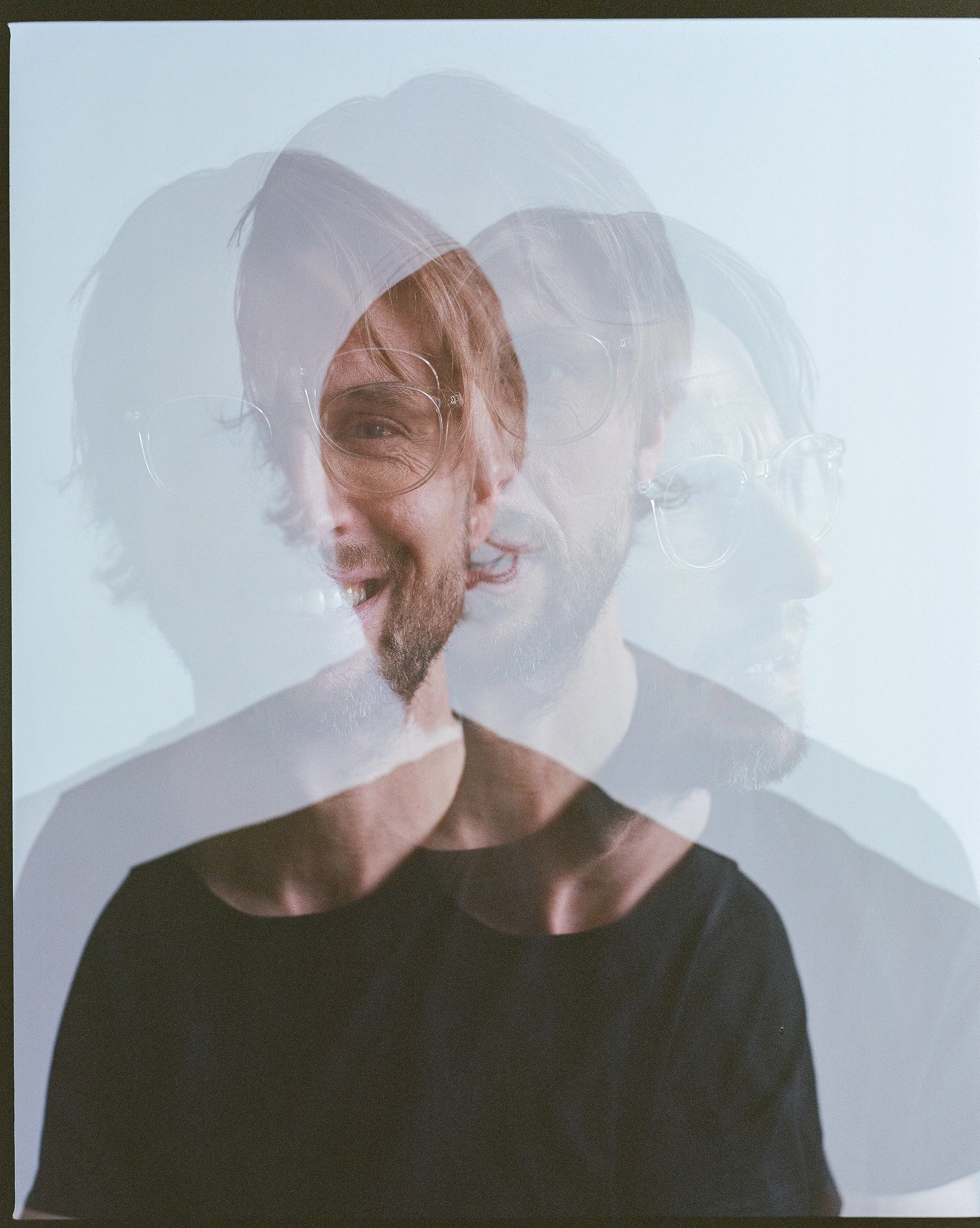
Burcu: And how does that work when making art? You’re both artists. Anders, besides having a degree in medicine, you’re acting and making music. You recently played the legendary jazz pianist Bill Evans in Grant Gee's Everybody Digs Bill Evans (2026). Marie, you’re an internationally celebrated musician. Do you have expectations when you create, or is it more about making something for yourself and simply putting it out into the world?
Marie: The moments where I had the highest expectations of myself were actually the moments where I felt least connected to myself creatively.
Especially around my second album, I had enormous expectations because the first one had been so successful. Suddenly I felt pressure to exceed expectations, which didn’t really come from me anymore, but from the outside world. If you start making artistic decisions based on what other people might think, then I don’t even know how much the work still belongs to you. You’re making decisions based on fear rather than instinct.
But there’s another kind of expectation that comes from excitement. When you get a new idea and feel, “Wow, this could become something.” That's different. That’s hopeful and feels pure.
Anders: Exactly. It’s like writing a riff on the guitar and immediately thinking, “This could become the best song I’ve ever written.” But then comes the fear of ruining it along the way.
I think that tension is necessary for creativity. Most artists probably feel grandiose one minute and completely terrible the next, sometimes within the same day. But that’s part of the process. It’s what drives you forward.
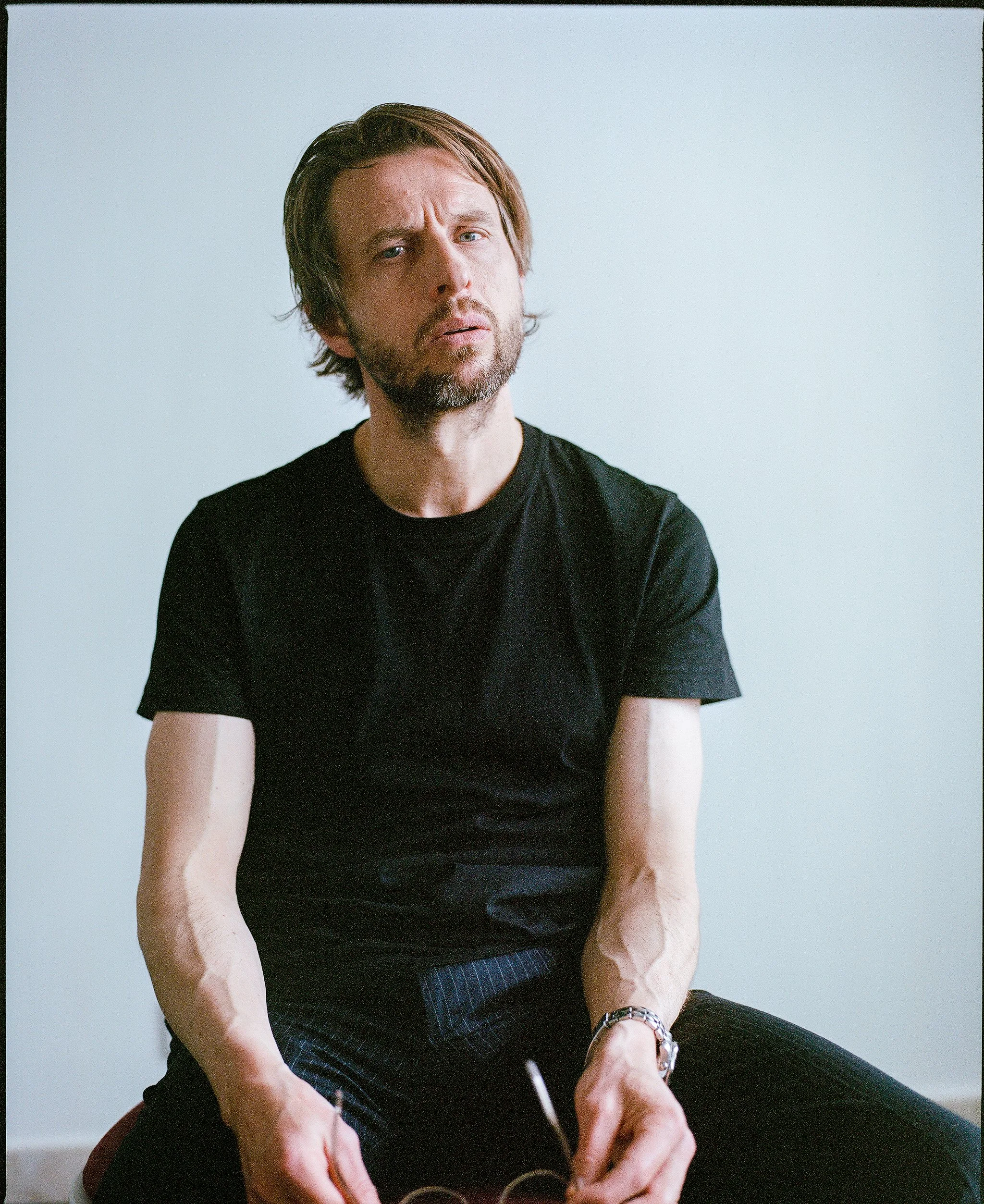

Burcu: Do you think creative ideas arrive more easily when you don’t have expectations?
Marie: Exactly. I don’t think you can walk around expecting ideas to come. They appear at the most random moments.
Anders: But once the idea is there, then it becomes about finding the sweet spot. You can’t drift through life with low expectations and expect everything to come to you. You need ambition. Sometimes you even need astronomically high expectations. Then you fail, crash, and start building again. That’s the circle of creativity and of any artistic endeavor.
I have to admit that I’ve always had big ambitions for my life. In some way, that also comes from self-respect. I have this one life, and I want to make the most of it.
At the same time, trying to be happy is also important. I think there’s a strong correlation between expectations becoming too high and feeling unhappy.
Burcu: Marie, this is your acting debut. The director, Eivind Landsvik, said you had such a strong presence during the audition process. Did you feel personally drawn to Maja, or was it more of an experiment for you?
Marie: I think everyone can recognize parts of themselves in almost any character. We all contain little pieces of everything.
Maja and I definitely share similarities, but we’re also very different. She’s much more introverted than I am. I’ve had periods of depression, but I’ve never isolated myself from people in the same way she does. She pushes her mother away, whereas if I’m struggling, I immediately call my mom.
As I read the script, I felt like I understood Maja’s inner world. I had never even read a script before, so at first I honestly didn’t know how to audition. We had to do several takes because I really wasn’t happy with the first ones. Gradually, I started understanding the tone and emotional temperature of the character.
Anders: Film acting is a lot about intuition, instincts, musicality, and timing. So I don’t think it’s a coincidence that a musician would naturally have a head start. It’s about understanding the wavelength of a conversation, the atmosphere of a room. That’s musical to me.
Film is such a naturalistic medium. You need to see real people, people with spontaneity. If you’re too experienced, you can develop all these actorly gestures and mannerisms that may feel less natural. If you haven’t done it before, you are often closer to real life. That’s why Marie works so well on screen. The presence on stage isn’t so different from presence in film. On stage, you capture the audience; while in film you capture the camera.
(Anders turns to Marie) How do you experience the difference between performing music and acting?
Marie: For me, they’re deeply connected. I’ve played hundreds of shows, and I’m very sensitive to the temperature of a crowd. If I feel the energy changing, I react to it immediately. Maybe I change the setlist or start speaking to the audience.
It’s the same in conversations while just hanging out with friends. I feel rhythm everywhere.
Anders: So you have a vibe radar?
Marie: I have a vibe radar and a gaydar. (Laughs)
Anders: Human beings are incredibly sensitive to rhythm. If there’s a disruption in the rhythm of a dialogue, it feels jarring immediately. And sometimes that sensitivity even transcends culture and language.
Burcu: That’s interesting because watching this Norwegian film felt very different to me culturally. In the film, there’s so much emotional space being given. At one point, I wanted to scream, “Just hug her.” I kept wondering: when does giving someone space become letting them drown?
Marie: Maja isn’t open to love at that point. Even for her mother, it’s difficult to simply grab her almost thirty-year-old daughter and hug her. Maja is emotionally drowning, and she’s trying to communicate that to her mother, but she can’t fully say, “I need help.” That feels very similar to many people I know who struggle with asking for help.
Burcu: I was amazed by how little judgment there is toward Maja in the film. People just listen to her instead of telling her what to do. That is something rare in many cultures.
Anders: Norwegians tend to think of themselves as emotionally repressed, or at least less expressive than many other cultures. To me, a lot of that comes down to language and culture. It doesn’t necessarily reflect the actual emotional intensity people feel internally.
But it's a fascinating observation. I remember the time when we first screened Joachim Trier’s first film, Reprise (2006) at the Karlovy Vary International Film Festival in the Czech Republic. We were so afraid that nobody would understand it. We felt it was this tiny little Norwegian film filled with Norwegian references, but somehow it worked. It’s kind of magical to me how all of that transcends language and culture.