Sabine Lidl on Siri Hustvedt
BERLIN, March 21st, 2026
Für die deutsche Version des Interviews bitte nach unten scrollen.
Either you know Siri Hustvedt, because you have read her books, or you simply have no idea who she is. In the meantime, the community appreciating her contributions to art, culture, and literature is growing very fast. Reading her feels like finding a companion with whom you can talk about pretty much everything. It is mostly a relief of “not being alone”, having someone strong enough to turn her eyes onto herself, to find stories within and share them.
As a philosophy student, I was signed up to help organize one of her book readings. To my luck, my professor allowed me to join the dinner afterwards. I was, of course, mostly silent, observing in awe how she was in awe of the beauty of small things. I immediately knew she had never let go of her inner child, and it was so encouraging to see someone like her enjoying being alive, just like kids do.
After the dinner, she came to me and put her arm around mine and talked about the beautiful night sky and all these old buildings surrounding us. That was in Aachen, and we were at “Katschhof,” which is maybe a thousand years old. She was just so much in the moment, and that joy still remains an inspiration to me.
Maybe after 10 years, I came across a documentary about her, called SIRI HUSTVEDT: DANCE AROUND SELF by Sabine Lidl. A great title already, I thought. This is Siri, one beautiful pair of blue eyes exploring the world through her self. I was so curious and, as it turned out, I could attend the Berlinale premiere, letting Sabine Lidl’s story about Siri unfold, sitting together with them in the Haus der Berliner Festspiele.
I loved the film immediately because one of its layers was Siri’s drawings, which no one had really spoken about except Sabine. The documentary feels more like a journey we take together with Siri Hustvedt into her past. One scene in particular has stuck with me: she walks us to the building she first stayed in when she arrived in NYC, not knowing exactly which apartment was hers, exploring that now-forgotten time.
Sabine Lidl’s film spans five years. Five years with one of the most important thinkers of our time, during which she becomes a grandmother, but also loses her husband, her “Lebensmensch”, the great Paul Auster.
It is a heartfelt documentary through which I could feel Sabine Lidl’s sensitive approach, her admiration, but also her presence as a companion to Siri Hustvedt.
Currently in theatres in Germany, and hopefully to be released worldwide soon.
I met Sabine Lidl in icy Berlin over a coffee (and some ginger tea) in Schöneberg—the district where Marlene Dietrich was born, I thought to myself, just before I saw her walking towards me.
Burcu Beaufort: In one of your interviews, you said that the works of Siri Hustvedt changed your life. When did you first discover her, and how did her work affect you?
Sabine Lidl: I think I connect two different moments from my life as a reader of Siri Hustvedt’s novels. One was when I was a very young woman in my early twenties. I discovered Siri Hustvedt and Paul Auster through my boyfriend at the time, and I followed everything she wrote. Then there was a gap. After What I Loved (2003), I lost touch with her for a while, and only later returned to her essays. I read The Shaking Woman, or A History of My Nerves years later. At first, I didn’t feel addressed by it, which was a complete mistake. What Siri writes about concerns all of us. It is about much more than the seizure-like shaking she experienced during her speech at her father’s memorial.
That book was also one of the reasons I wanted to make a film about her, and the title DANCE AROUND THE SELFcomes from a quote of hers in an interview. It describes the literary self that Siri explores by taking on different perspectives. In The Shaking Woman, she circles around the “shaking woman” as both patient and narrator. I reread her entire body of work and realized that, now in my fifties, I respond to it very differently. Over the course of our lives, our perspective changes, and we can reread books again and again. I found that fascinating.
Especially because in her novel Memories of the Future (2019), she returns to the setting of her first novel The Blindfold (1993), looking back as a narrator on her younger self. I was able to reflect that in the film. It becomes my starting point: the young literature student arriving in New York in 1979, wanting to become part of the whole, and not stopping reading until she had grown into the person she wanted to be: “In the library I had wings.”
Burcu Beaufort: You accompanied Siri very closely over several years during filming. It may be difficult to answer, but how do you build that kind of trust?
Sabine Lidl: That’s hard to say about oneself, you would really have to ask Siri. But we had an agreement to always be honest with each other. She was, which helped me, even when it wasn’t easy. It gave me the feeling that I could also be honest with her. That was a very strong foundation.
She also knew my film about her husband, Paul Auster: Was Wäre Wenn (2019). The work itself is always a door opener. When people feel that you are genuinely interested, and that it’s not about headlines. I remember Paul Auster once said to me: “You gave me a lot of space.” At the time, I didn’t fully understand what he meant. Maybe it’s that I allow things to unfold in conversation and try to remain flexible. And it’s also about building a relationship, which you can’t do with everyone.
Burcu Beaufort: You made a documentary about a writer. I imagine it wasn’t easy to secure financing or convince people to support the project. But I assume you didn’t really care?
Sabine Lidl: At first, you have to not care. There is a large audience for Siri Hustvedt, she has a significant readership. But still, you’re making a film about an American writer, and it’s very much about literature, which is not an easy sell for cinema.
Once I had read her entire work, I knew what my themes were. Themes like anger, shame, and an excess of empathy, I found many things that affected me deeply on a personal level, and I wanted to share that. What moves me will move others.
It was mostly women we were able to convince, who recognized the potential. When we received the green light from Arte for Kino co-production, we were able to apply for funding from BKM, which, together with Nordmedia and Swiss Television, financed the film. During that time, Paul’s illness began, which created entirely new challenges and stretched the production over several years. From the beginning, I had a strong partner in my producer Irene Höfer, as well as Karin Koch, our Swiss co-producer.
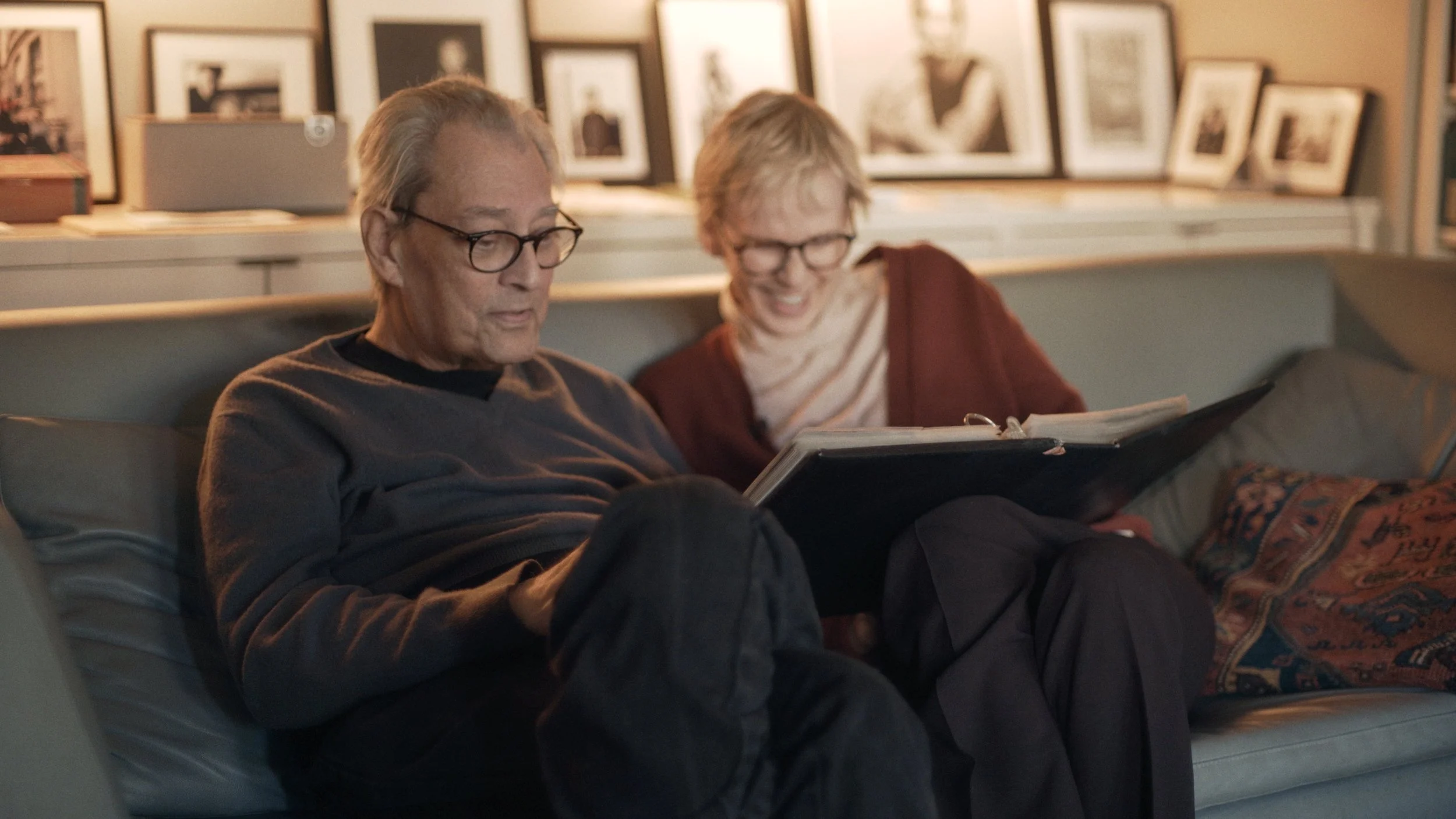
Siri Hustvedt and Paul Auster @Medea Film Factory
Burcu Beaufort: How did you start making films?
Sabine Lidl: I worked as a makeup artist from my twenties into my mid-thirties. I think I always wanted to make films and tell my own stories, but I didn’t know how. Then it happened almost by accident. I filmed something for my husband, Dani Levy, who needed a short piece for the Jewish Culture Days and handed me a Mini-DV camera.
I immediately fell in love with this observational work behind the camera. It felt like falling in love, truly exciting. I then shot a few “making-of” pieces, since I already knew film sets from my work as a makeup artist. At some point I thought: I’ll make portraits, because that resembles what I used to do, talking to people and building personal relationships. One thing led to another. But taking a completely autodidactic path also comes at a cost.
Burcu Beaufort: How do you decide whom to portray? Is there something that connects these stories for you?
Sabine Lidl: When I read something, I often immediately feel: “Oh, this is so compelling.” My children laugh at me because I often say: “This should be a film.” But not everyone can tell every story. Even if I think something would make a great film, it doesn’t mean I’m the right person to tell it.
Every story has its own heartbeat. It’s also about what images I see in my mind and how I can translate them. Over time, something usually develops where I find a strong inner core, something that truly occupies and moves me, and that I feel I have to tell.
Burcu Beaufort: You returned to New York for filming under very particular circumstances. How did that come about?
Sabine Lidl: That was in spring 2024. Paul was already very ill. We wanted him to be part of the film, so I went alone for ten days to remain flexible. We didn’t know that he only had a month left to live.
During that time, we filmed the interviews with Paul and Siri in their home, where they look at photographs together. We also visited their daughter Sophie Auster and her baby Miles. It was all incredibly intense. Miles was born on January 1st, and Paul died on April 30th. Birth and death, so close together.
Burcu Beaufort: How do you end a documentary like this?
Sabine Lidl: For a long time, I wasn’t sure how to end the film. I definitely didn’t want to end with Paul’s death. At the same time, Siri was still working on her novel Ghost Stories, so it would take time before she would go on a reading tour again.
But when my cinematographer Filip Zumbrunn and I returned to New York in January 2025 to accompany the family for Paul’s memorial, we filmed the next day with Siri’s friends Katharina and Noga at her home. There’s this moment when the doorbell rings and Siri opens the door, exhausted from the previous day, but somehow changed, more at ease.
Something came through in the images that you don’t consciously notice while filming. I felt that she had gone through something. The first year after Paul’s death was almost over. She once said: “Either you die within the first six months after losing your life partner, or you survive it.” She survived. After that first year of mourning, something seemed to release. I hope that this is felt in the film.
Burcu Beaufort: After five years of working together, what is your relationship with Siri like today?
Sabine Lidl: I can generally say: those who are in my heart stay in my heart. Especially when you’ve shared such a long period of time, it’s clear that Siri will always remain in my heart.
DEUTSCH
Burcu Beaufort: In einem deiner Interviews sagtest Du, dass die Werke von Siri Hustvedt Dein Leben geändert haben. Wann hast Du sie für Dich entdeckt und wie hat ihr Werk Dich geändert?
Sabine Lidl: Ich glaube, ich verbinde zwei Erlebnisse aus meinem Leben als Leserin von Siri Hustvedts Romanen. Die eine war diese sehr junge Frau in den frühen Zwanzigern, ich habe Siri Hustvedt und Paul Auster durch meinen damaligen Freund entdeckt und alles, was sie geschrieben hat, verfolgt. Dann gab es eine Lücke nach Was Ich Liebte (What I Loved, 2003) habe ich Siri kurzzeitig verloren und später dann ihre Essays gelesen. Die zitternde Frau (The Shaking Woman, Or A History of My Nerves, 2010) habe ich Jahre später erst gelesen, ich hatte mich erst mal nicht angesprochen gefühlt, was ein totaler Irrtum war. Das, worüber Siri schreibt, betrifft uns alle. Es geht um so viel mehr als um den Zitteranfall, den sie während ihrer Rede auf der Trauerveranstaltung ihres Vaters erlebte. Das Buch war dann auch ein Grund, warum ich einen Film über Siri Hustvedt machen wollte, und der Titel: DANCE AROUND THE SELF stammt aus einem Zitat von ihr im Interview. Es beschreibt das literarische Selbst, das Siri erkundet, in dem sie verschiedene Perspektiven einnimmt. Bei The Shaking Woman, umkreist sie die zitternde Frau als Patientin und Erzählerin gleichermaßen. Ich habe ihr gesamtes Werk noch einmal gelesen und gemerkt, dass ich mit über fünfzig Jahren wieder ganz anders empfinde. Im Laufe unseres Lebens erlangen wir ja immer wieder einen anderen Blick und man kann Bücher immer wieder neu lesen. Das fand ich spannend. Auch weil Siri in ihrem Roman “Damals” (Memories of the Future, 2019) wieder an den Ort ihres ersten Romans Die Unsichtbare Frau (The Blindfold, 1993) zurückkehrte und als Erzählerin auf die junge Frau zurückblickt. Das konnte ich dann gleichermaßen im Film wiedergeben. Es ist mein Anfang im Film, wie die junge Literaturstudentin 1979 nach New York kommt, um Teil des “Ganzen” zu werden. Und erst mit dem Lesen aufzuhören, bis sie zu der Riesin herangewachsen war, die sie sein wollte: “In the library I had wings”.
Burcu Beaufort: Du begleitest Siri sehr nah über mehrere Jahre während der Dreharbeiten. Vielleicht ist es für dich schwierig, das selbst zu beantworten, aber wodurch gewinnst du ein solches Vertrauen?
Sabine Lidl: Das ist schwer über sich selbst zu sagen, das müsste man eigentlich Siri fragen. Aber wir hatten eine Vereinbarung, immer ehrlich zueinander zu sein. Das war sie, was mir geholfen hat – auch wenn es manchmal nicht einfach war. Dadurch hatte ich das Gefühl, dass ich auch ehrlich zu ihr sein konnte. Das war eine sehr schöne Voraussetzung. Außerdem kannte sie meinen Film über ihren Mann, Paul Auster: Was Wäre Wenn (2019). Ein Türöffner ist auch immer das Werk. Wenn die Menschen spüren, dass man wirklich interessiert ist und es nicht um Schlagzeilen geht. Ich erinnere mich, dass Paul Auster einmal zu mir gesagt hat: „Du hast mir viel Raum gegeben.“ Damals wusste ich nicht genau, was er meinte. Vielleicht ist es das: Dass ich im Gespräch viel entstehen lasse und versuche flexibel zu bleiben. Und es ist eine Beziehung, die man aufbaut, das kann man auch nicht mit jeder Person.
Burcu Beaufort: Du hast eine Dokumentation über eine Schriftstellerin gemacht. Ich kann mir gut vorstellen, dass es bei der Suche nach Finanzierung sowie bei der Produktion nicht so einfach war, Leute zu überzeugen, mitzumachen bzw. den Film zu finanzieren. Ich glaube aber, das war dir alles egal, oder?
Sabine Lidl: Das muss einem erst einmal egal sein. Es gibt ein großes Publikum für Siri Hustvedt, sie hat wirklich eine große Leserschaft. Aber trotzdem: Du machst einen Film über eine US-amerikanische Schriftstellerin, und es geht stark um Literatur – das ist erst mal schwierig fürs Kino. Als ich ihr gesamtes Werk gelesen hatte, wusste ich, was meine Themen sind. Ich wurde beim Schreiben des Treatments richtig durchgerüttelt. Themen wie Wut, Scham, das zu viel an Empathie, ich habe einiges gefunden, das mich selber tief persönlich betraf und das wollte ich teilen. Sozusagen, was mich bewegt, bewegt auch andere. Es waren meistens Frauen, die wir überzeugen konnten, die das Potenzial erkannten, und als wir das “go” von Arte für Kino-co bekamen, konnten wir die Förderung beim BKM beantragen, die uns dann gemeinsam mit Nordmedia,und dem Schweizer Fernsehen den Film finanzierten. Und währenddessen kam Pauls Krankheit dazu, wodurch sich ganz neue Herausforderungen ergeben haben, und die Dreharbeiten sich über Jahre hingezogen. Von Anfang an habe ich mit meiner Produzentin Irene Höfer eine starke Partnerin gehabt, und auch mit Karin Koch unserer Co-Produzentin aus der Schweiz.
Burcu Beaufort: Wie hast du angefangen, Filme zu machen?
Sabine Lidl: Ich habe von meinen Zwanzigern bis Mitte dreißig als Maskenbildnerin gearbeitet. Ich glaube, ich wollte schon immer Filme machen und meine eigenen Geschichten erzählen, aber ich wusste nicht wie. Dann kam es eher zufällig dazu, dass ich etwas gedreht habe – in dem Fall für meinen Mann, Dani Levy, der einen kleinen Film für die Jüdischen Kulturtage machen sollte und mir eine kleine Mini-DV-Kamera in die Hand drückte. Da habe ich mich sofort in diese beobachtende Arbeit, hinter der Kamera, sofort verliebt. Es war wirklich ein Gefühl, wie verliebt sein. So aufregend. Dann habe ich ein paar Making Of's gedreht, weil ich Filmsets ja von meiner Tätigkeit als Maskenbildnerin kannte. Dann habe ich gedacht: Ich mache Porträts, weil das eigentlich dem ähnelt, was ich früher in der Maske gemacht habe – ich spreche mit Menschen, baue eine persönliche Beziehung auf. Eins führt zum nächsten. Aber so ein komplett autodidaktischer Weg fordert auch seinen Preis.
Burcu Beaufort: Wie entscheidest du, wen du porträtieren willst? Gibt es etwas, das diese Geschichten für dich verbindet?
Sabine Lidl: Wenn ich etwas lese, habe ich oft sofort das Gefühl: „Oh, wie toll und spannend.“ Meine Kinder lachen darüber, weil ich häufig sage: „Daraus müsste man einen Film machen.“ Aber nicht jeder kann jeden Film erzählen. Auch wenn ich denke, dass es ein toller Film wäre, heißt das nicht, dass ich die richtige Person dafür bin.
Jede Geschichte hat einen eigenen Herzschlag. Es ist auch die Frage: Welche Bilder habe ich im Kopf, und wie kann ich das erzählen? Meistens entsteht über die Zeit etwas, bei dem ich einen starken inneren Kern finde – etwas, das mich wirklich beschäftigt und bewegt und über das ich unbedingt erzählen will.
Burcu Beaufort: Du bist für die Dreharbeiten noch einmal nach New York gegangen, in einer sehr besonderen Situation. Wie kam es dazu?
Sabine Lidl: Das war im Frühjahr 2024. Paul war bereits sehr krank. Wir wollten aber, dass er unbedingt im Film vorkommt, deshalb bin ich für zehn Tage allein hingegangen, um flexibel zu sein. Wir wussten nicht, dass es nur noch einen Monat bis zu seinem Tod war. In dieser Zeit sind die Interviews mit Paul und Siri im Haus entstanden, wo sie sich gemeinsam ihre Fotos anschauen. Auch der Besuch bei Sophie (Auster) und ihrem Baby Miles, das war ja alles unglaublich. Miles ist am 1. Januar geboren, am 30. April starb Paul. Geburt und Tod, so nah beieinander.
Burcu Beaufort: Wie endet man so eine Dokumentation?
Sabine Lidl: Ich war mir lange nicht sicher, was mein Ende für diesen Film ist. Ich wollte auf keinen Fall mit Pauls Tod enden. Gleichzeitig war Siri noch mitten in ihrem Roman Ghost Stories (2026) beschäftigt, was bedeutete, dass es noch dauert, bis sie damit auf Lesereise gehen wird. Doch als ich mit meinem Kameramann Filip Zumbrunn im Januar 2025 nach NYC kam, um die Familie zur Pauls Trauerfeier zu begleiten, drehten wir am nächsten Tag mit Siris Freundinnen Katharina und Noga, bei ihr zuhause. Dieses Klingeln an der Tür und wie Siri sie öffnet, erschöpft vom Tag zuvor, und doch gab es eine Veränderung, sie wirkte gelöst. Es hat sich über die Bilder etwas vermittelt, das man während des Drehens gar nicht bewusst wahrnimmt. Ich habe irgendwie gespürt, dass sie etwas durchlebt hat, das erste Jahr (nach Pauls Tod) war fast vorbei. Sie sagte einmal: „Entweder stirbst du im ersten halben Jahr, nach dem du deinen Lebensmenschen verloren hast, oder du überlebst es.“ Sie hat es irgendwie geschafft, sie hat überlebt. Ich glaube, nach diesem ersten Trauerjahr hat sich etwas gelöst. Und ich hoffe, dass das im Film spürbar ist.
Burcu Beaufort: Nach fünf Jahren Zusammenarbeit, wie ist eure Beziehung mit Siri heute?
Sabine Lidl: In der Regel kann ich sagen: Wer in meinem Herzen ist, bleibt in meinem Herzen. Vor allem wenn man so eine lange Zeit miteinander erfahren hat, ist es völlig klar, dass Siri immer in meinem Herzen bleiben wird.