Julie Pacino’s Lynchian Wonderland
LOS ANGELES, MARCH 2026
By Burcu Beaufort
If cinema is about sustaining discourse and giving room to self-expression, Julie Pacino achieves exactly that by taking on topics many either consider niche or dismiss as “typical women’s issues”. What’s most striking is Pacino’s bravery, evident in the thematic depth and her visual execution.
I LIVE HERE NOW, in all caps, is a declaration. Emphasize any word, and it still serves the same story of reclaiming one’s body, of insisting: this is me, this is my body, I live here now.
The story follows Rose (Lucy Fry) in Los Angeles, a city portrayed in its bleakest, most sinister light. The pressure put on her is almost comedic, from the stakes of her fertility to the ridiculous expectation of losing weight over a weekend. Pacino pushes these now-exhausted topics into the surreal, creating a universe that feels profoundly uncanny. Every character but Rose seems to share a secret, inhabiting a reality that she naively tries to make sense of. This transforms into a surprisingly Lynchian Alice’s Adventures in Wonderland, one where Wonderland exists nowhere but entirely within Rose’s own body.
The gritty and raw aesthetics of the film prove perfect, as the story dives deeper into the psyche and the body of Rose. The switch between 16mm and 35mm works very well, adding a visual distinction between different layers of the story.
This is a truly distinctive debut and an invitation to fearless self-expression, both for its audiences and fellow filmmakers. After the premiere, I met Julie in Los Angeles to discuss her film and the deeply personal story behind her script, while also discovering a shared love for Berlin and film photography.
All film stills below are by UTOPIA.
Walking around in LA © Burcu Beaufort
Burcu Beaufort: For your debut, you’ve chosen such an intimate subject. Did it feel like you were being judged along the way? What was your driving force during the making of?
Julie Pacino: Oh, I got judged a lot, but I also had very brave women around me. Lucy (Fry) was one of them. And I had some men too that were real allies. My producer Kyle (Kaminsky) was a rock for me.
The main thing is that I knew I was making something really authentic and personal to me. I was fighting to preserve the integrity of the story, while also trying to make it as relatable as possible — maybe not to a massively wide audience, but to people who were ready to listen. I think I succeeded in that. We have screened at a bunch of different festivals, and now it’s starting to have its release. It seems like it’s really resonating with women and men who are sensitive and in touch with their feminine side.
My only motivation was the faith that if I preserved that and fought really hard, everything would work out okay. I didn’t care about anything else. That’s the artist’s way, the artist’s philosophy. Fight for the art, and the rest will fall into place.
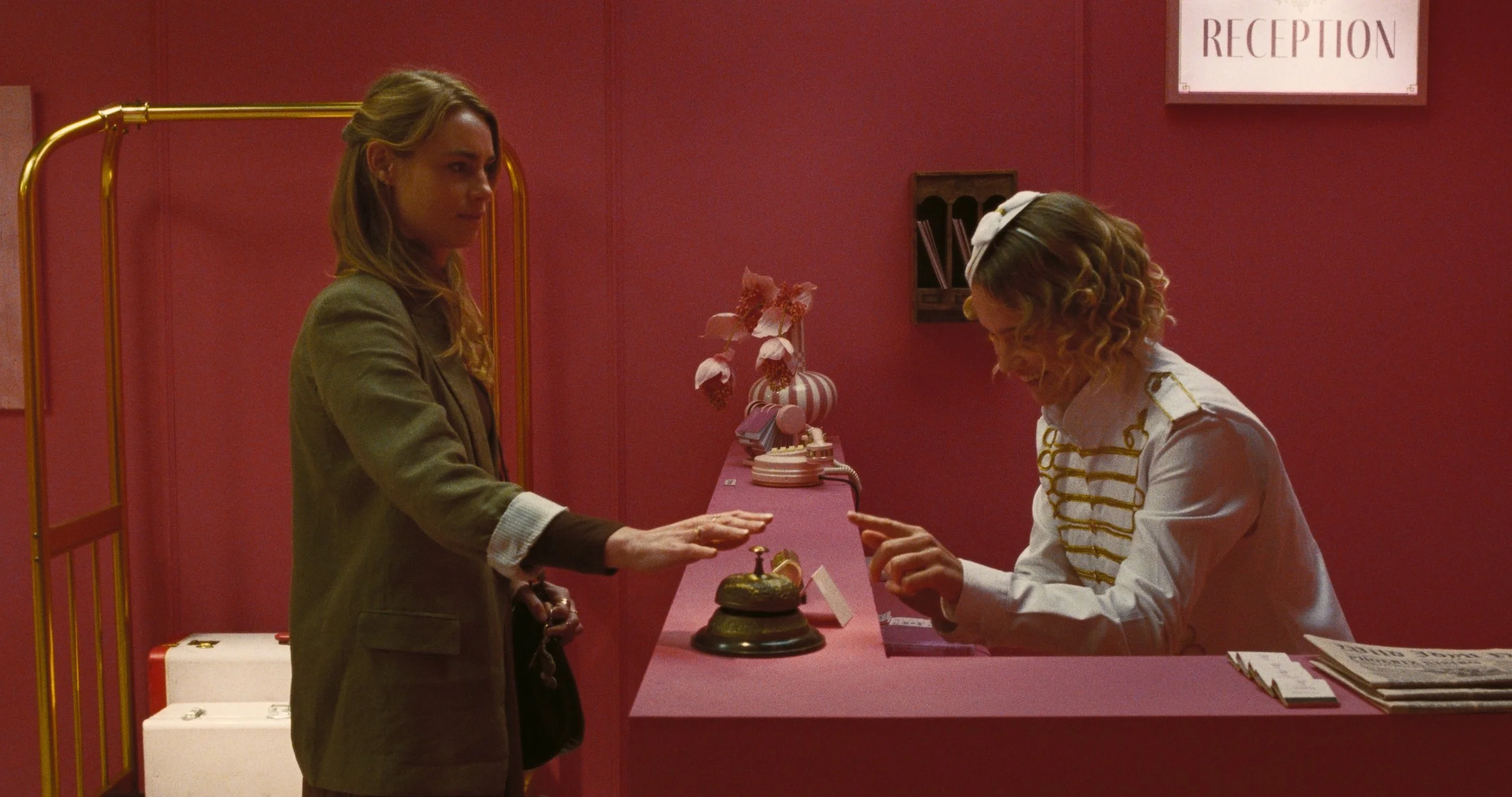
Rose (Lucy Fry) arrives at The Crown INN. Image courtesy of UTOPIA
Burcu Beaufort: Did you ever worry that a story around abortion might make people uncomfortable or put you at a disadvantage?
Julie Pacino: When I set out to make the movie, we used the abortion as a catalyst; it’s just the surface layer. It’s a way for Rose to start reconnecting with her body and unlocking things within herself, making discoveries that go far beyond the pregnancy itself. Lucy and I always talk about it like an onion: as Rose peels back the layers, she reconnects with parts of herself she’s been disconnected from.
From the very beginning, it was intentional: how do we have a conversation about that choice, what goes into making it, and all the experiences a woman navigates in that process?
What I’ve seen in screenings across the political spectrum is fascinating. People who might be pro-life are intrigued to understand, while others, more liberal, sometimes wish I pushed further. That, to me, is the best outcome, opening a conversation rather than taking a radical stance. I’m not marching in a protest; I’m making a movie.
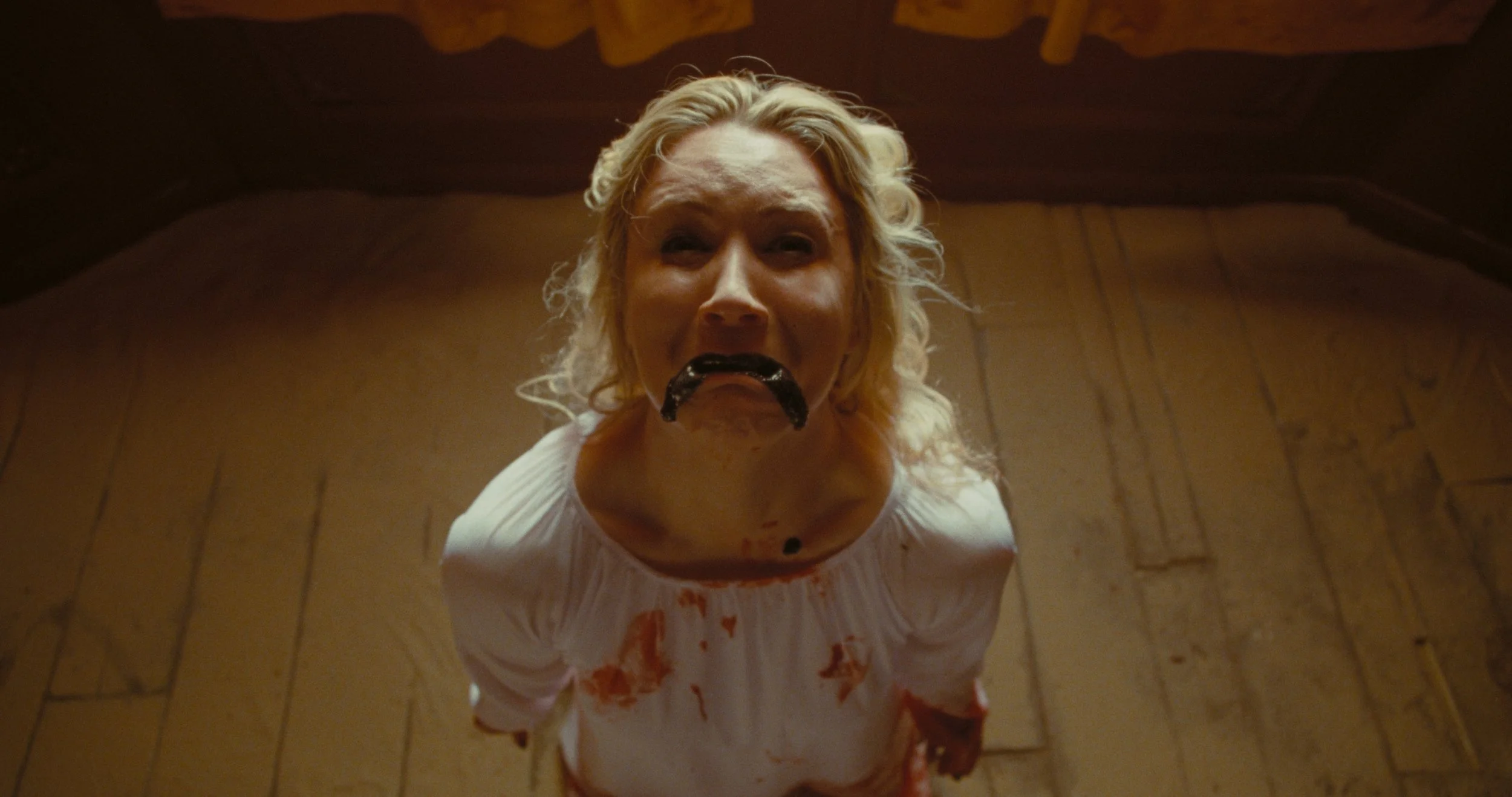
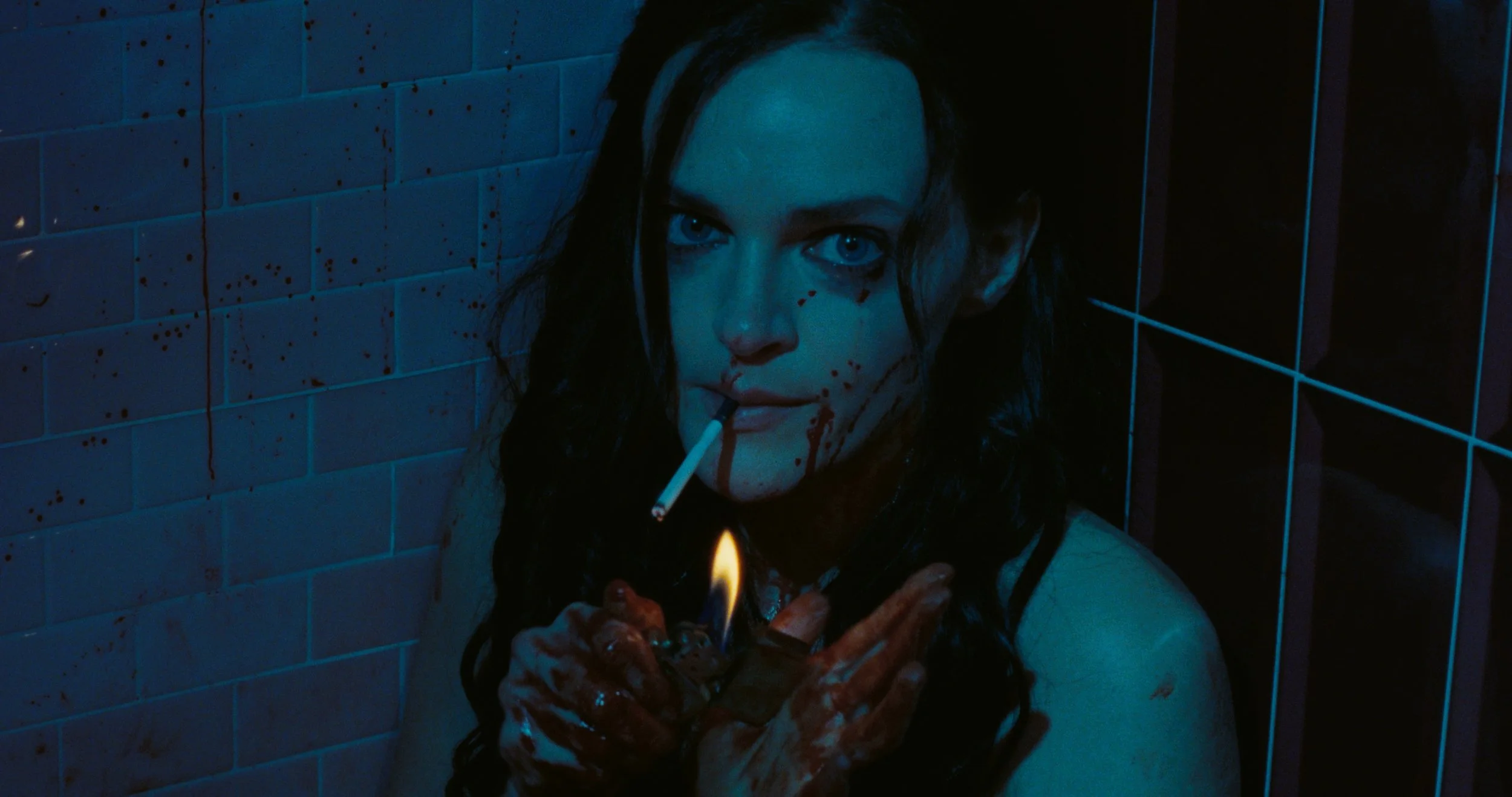
Burcu Beaufort: In Rose’s story, there is also a very deep confrontation between Rose and her mom. What was the inspiration for that? How did your mom react to the film after seeing it?
Julie Pacino: I love the question. I have a great relationship with my mom. The mother-daughter aspect of this movie is inspired by her and her mother. What I know of their relationship is that my mom grew up in the South and was repressed in a lot of ways by her mother, who was super conservative. Despite it all, my mom decided to go to New York City, and to be in the theatre. She became an acting coach and worked on theatrical productions. It was a conscious choice she made in order to break that generational lineage, that chain. My mom's a superhero in that way to me.
Rose does that in the movie when she sort of says goodbye to her mother. She gives her mother back the pain that she's been carrying.
It’s the same decision: I'm not gonna carry my mother's shame, whether it's into my child or into whatever I'm doing next. I'm choosing to break that chain.
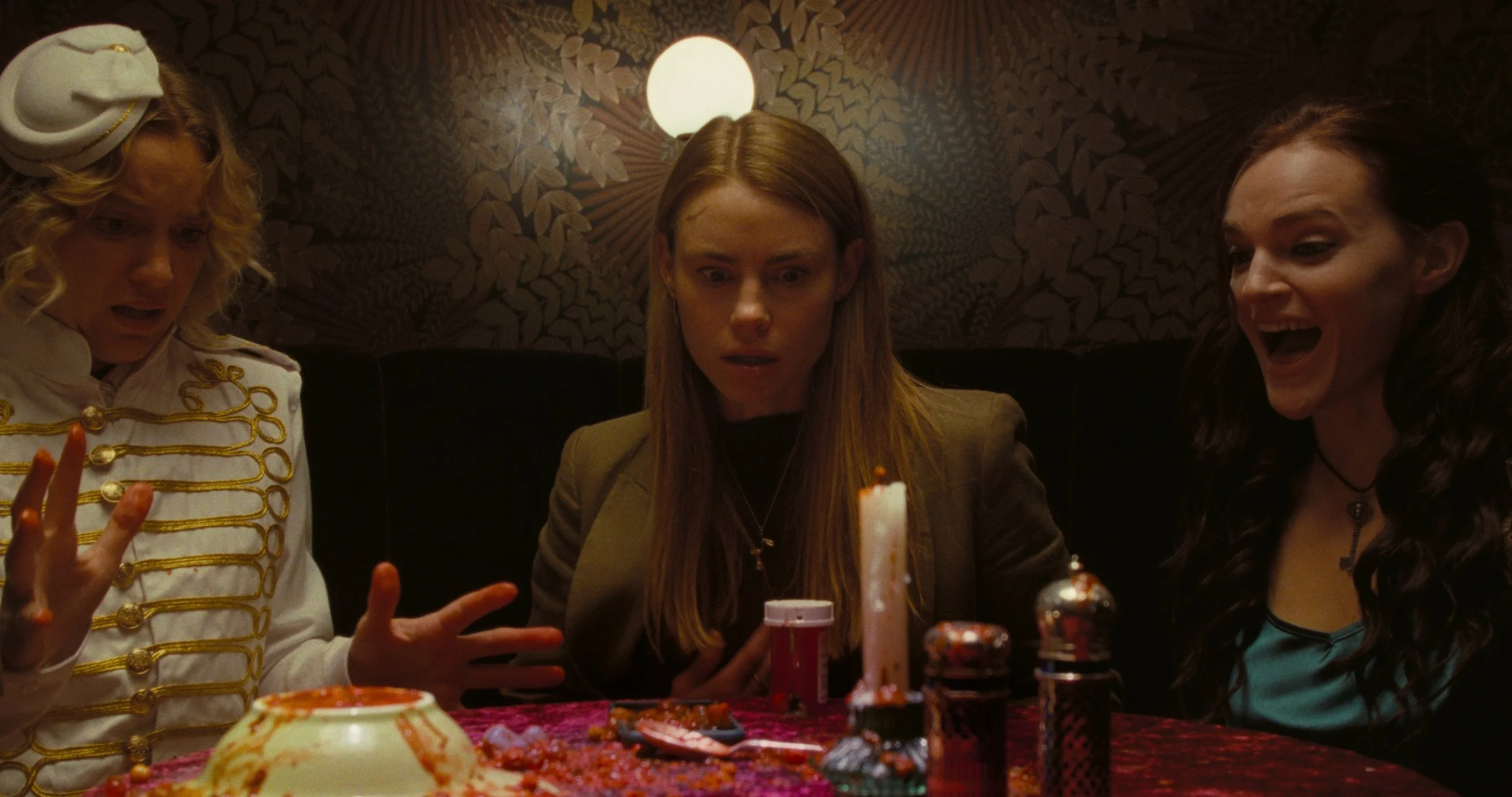
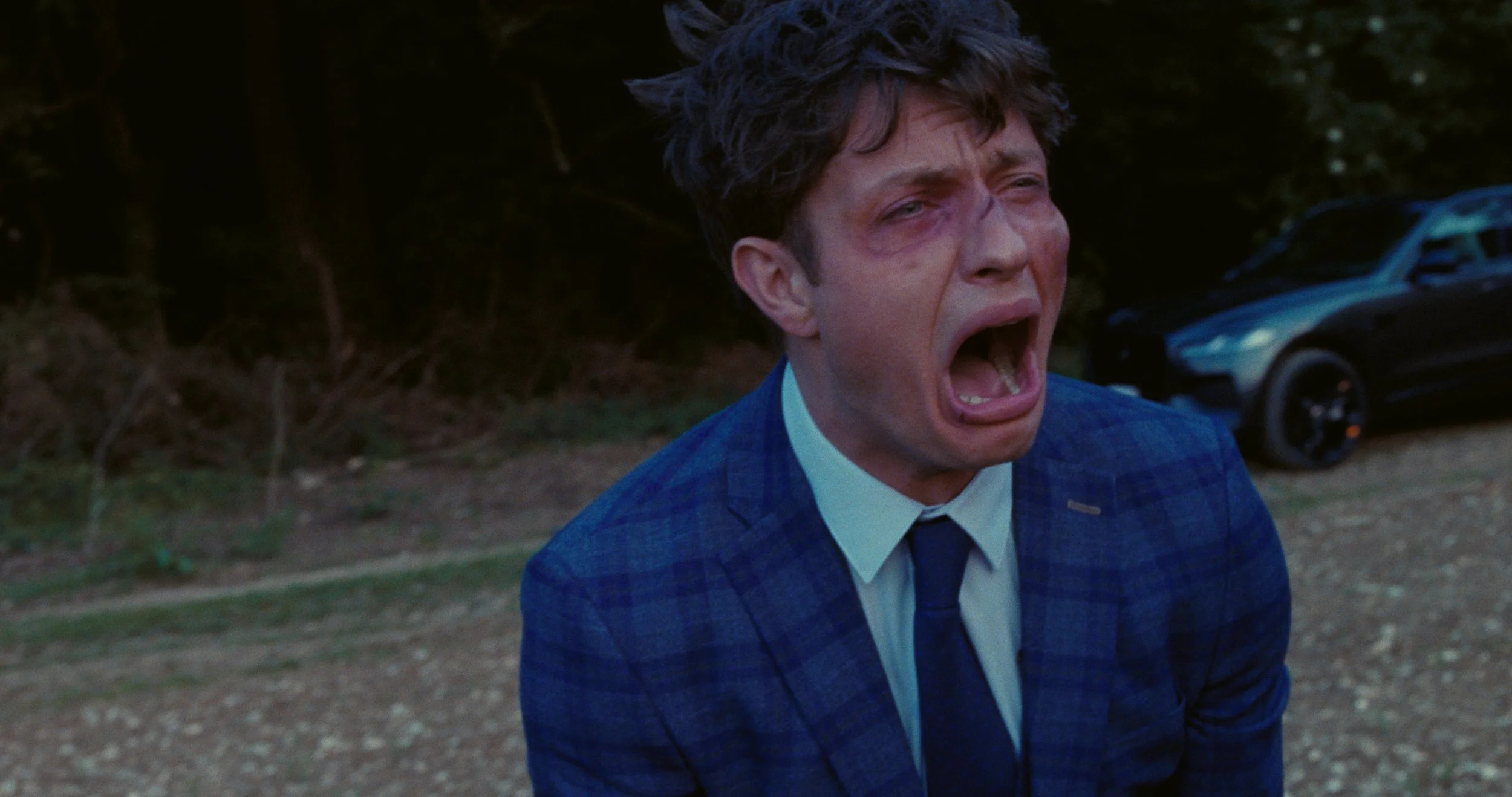
Burcu Beaufort: When you talk about theatre, I feel you have so much respect and love for it. Is theatre an inspiration for you in filmmaking?
Julie Pacino: I love theatre. There, the sanctity is the process, because you can't fix anything in post once the play is open. So you work first and break down the script. There's just more attention to detail when it comes to the actors. I'm an actor's director. I love working and rehearsing with them.
I saw Les Misérables maybe thirty times, and I would still go every year. Also The Phantom of the Opera, these big operatic things… they have such a feeling.
So, it's a combination of those things: the sanctity of the process that is required to make a theatrical production together with the operatic nature of these productions. I try to bring some of that into my movie. I think my movie's a bit operatic. It's a little bit over the top.
Burcu Beaufort: You are also the writer of this story. In general, when do you know a script is finished?
Julie Pacino: It’s a feeling, but I never think it's finished. It gets rewritten as we're shooting. That's what's so cool about movie making. I'm not really precious about the script. I welcome collaboration and ideas. Like the last scene of the movie, I rewrote while we were shooting, because it became more clear to me what needed to happen. Not major rewrites, the script is a foundation, but I also trust my intuition to guide me and everyone through the process of making the movie.
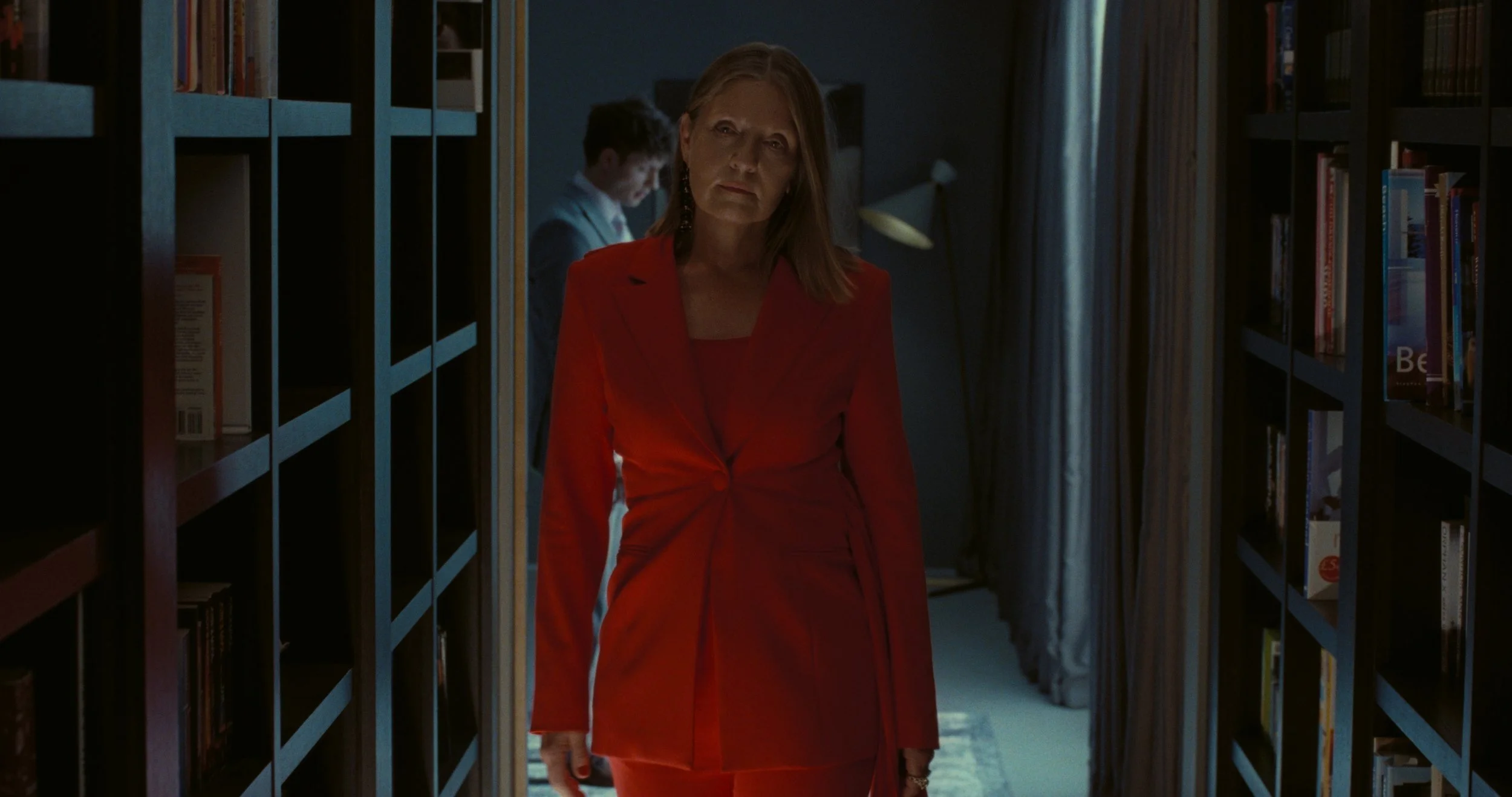
Sheryl Lee in I LIVE HERE NOW. Image courtesy of UTOPIA
Burcu Beaufort: You have a strong Lynch reference in your movie. Was that something you were studying for long?
Julie Pacino: The David Lynch references in the movie were not really conscious. Like, casting Sheryl Lee wasn't my idea. That was my producer’s choice. But when we cast her, the way we introduce her character is a conscious nod. She is sitting in that chair and does the hand gesture, which is a nod to David and his art. Beyond that, anything else is mostly unconscious.
Burcu Beaufort: How has David Lynch influenced you and your approach to filmmaking?
Julie Pacino: I do transcendental meditation. I learned it through the David Lynch Foundation. I only discovered it because of how open David was about his process. I practice it twice daily, usually once in the morning and again six to eight hours later, depending on the timing of the first session. I avoid practicing too late, since it stimulates my mind; if I do, I end up awake until 3 a.m. So, usually around 8 a.m. and then again at 3 or 4 p.m.
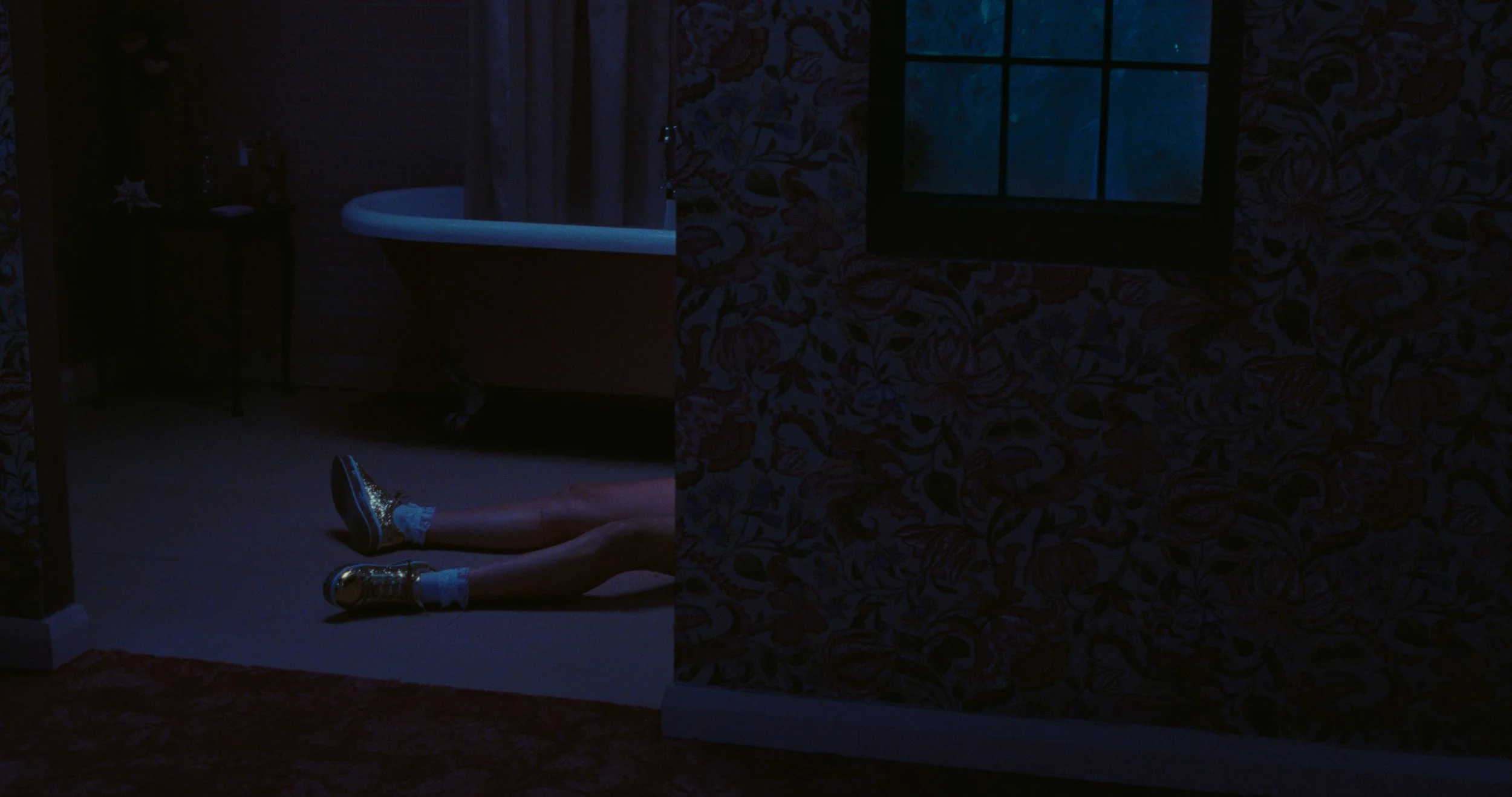
Burcu Beaufort: Working in filmmaking and in LA, do you think that it is harder to be yourself, especially as a female?
Julie Pacino: As a woman in the business, even if I'm just critiquing a strategy that I disagree with on the release of my movie, many people think that I'm difficult, or that I'm demanding, or harsh. I get that so often. At first I was like, “No, f*ck that. I shouldn't have to change myself.” But then I noticed when I turn that down with some of the men that I work with, then I get what I want. So it's about “What is it in service of? Is it in service of myself, or the movie?”. It feels almost like what my friends with kids describe. What’s best for the baby is not always what’s best for me. It’s not good for me to feel like my voice has to be turned down and I can’t express myself authentically, but maybe it’s best for the movie.
Burcu Beaufort: How is it now living in Los Angeles as a New Yorker?
Julie Pacino: I'm here in LA because the work is here, and my dad is here. Also mom's moving out here next door, which is amazing. But New York is my home. It feels strange here.
Burcu Beaufort: What makes it strange?
Julie Pacino: Many people here are chasing this invisible game, thinking “Can I use you to help me get to this thing?”
A famous last name attracts a lot of those people. I had fun when I first came here, about six years ago, because I could use that to my advantage; as a New Yorker, I could plow through it.
Burcu Beaufort: What makes you a New Yorker?
Julie Pacino: My directness, I guess. I'm very direct. My work ethic is very New York. I just have this really fast-paced thing. There's an immediacy, like walking out of your apartment and just starting getting sh*t done. Here, everything is slower. You don’t get as much done in a day in Los Angeles as you do in New York.
Burcu Beaufort: That directness also sounds very much like Berlin, where I live.
Julie Pacino: I love Berlin so much. I spent two months there in 2014. I felt like I could like living here. When I lived there, I realized it was okay to be who I am. That city gave me something. I’ll never forget that.
Burcu Beaufort: You should come back.
Julie Pacino: I will.
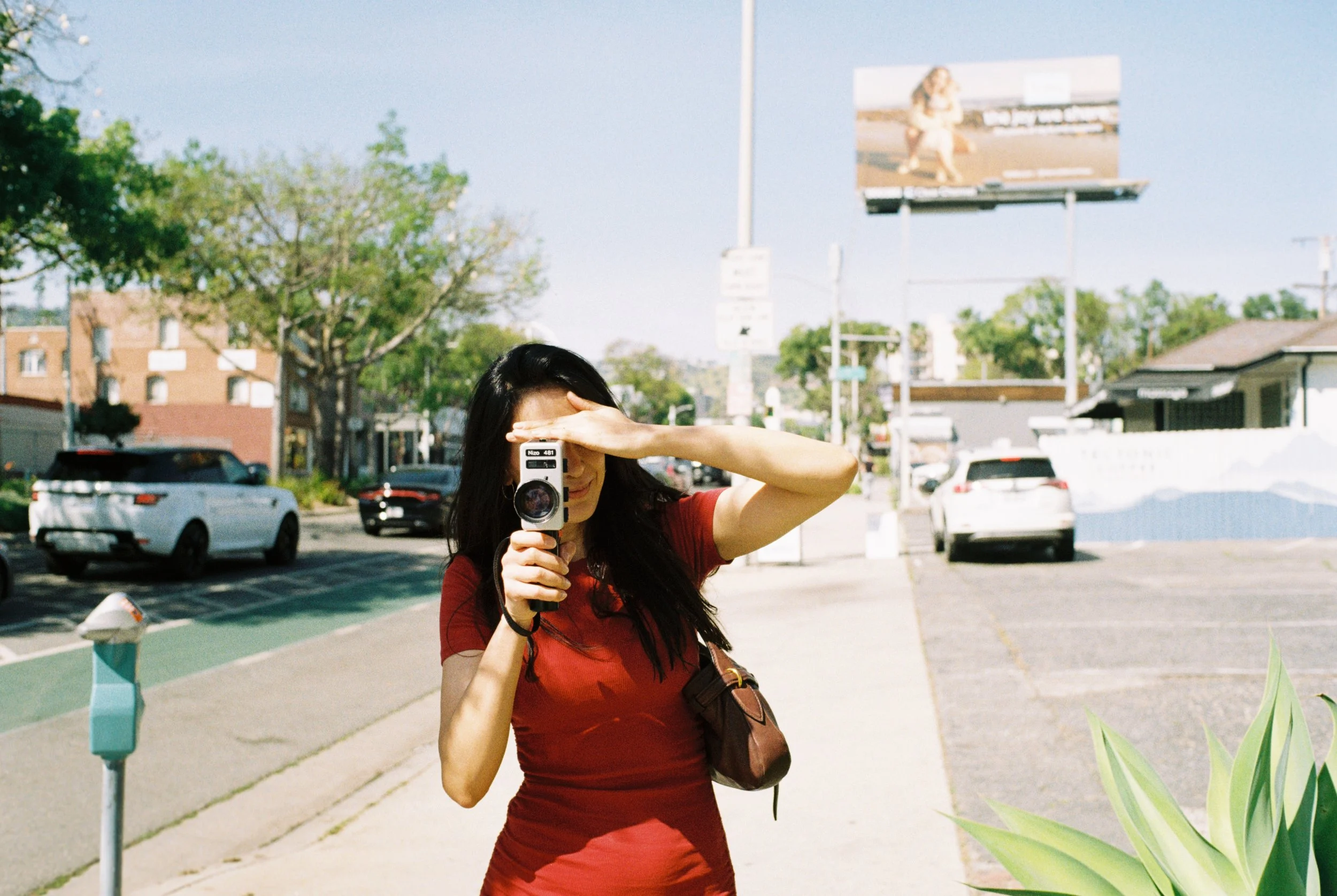
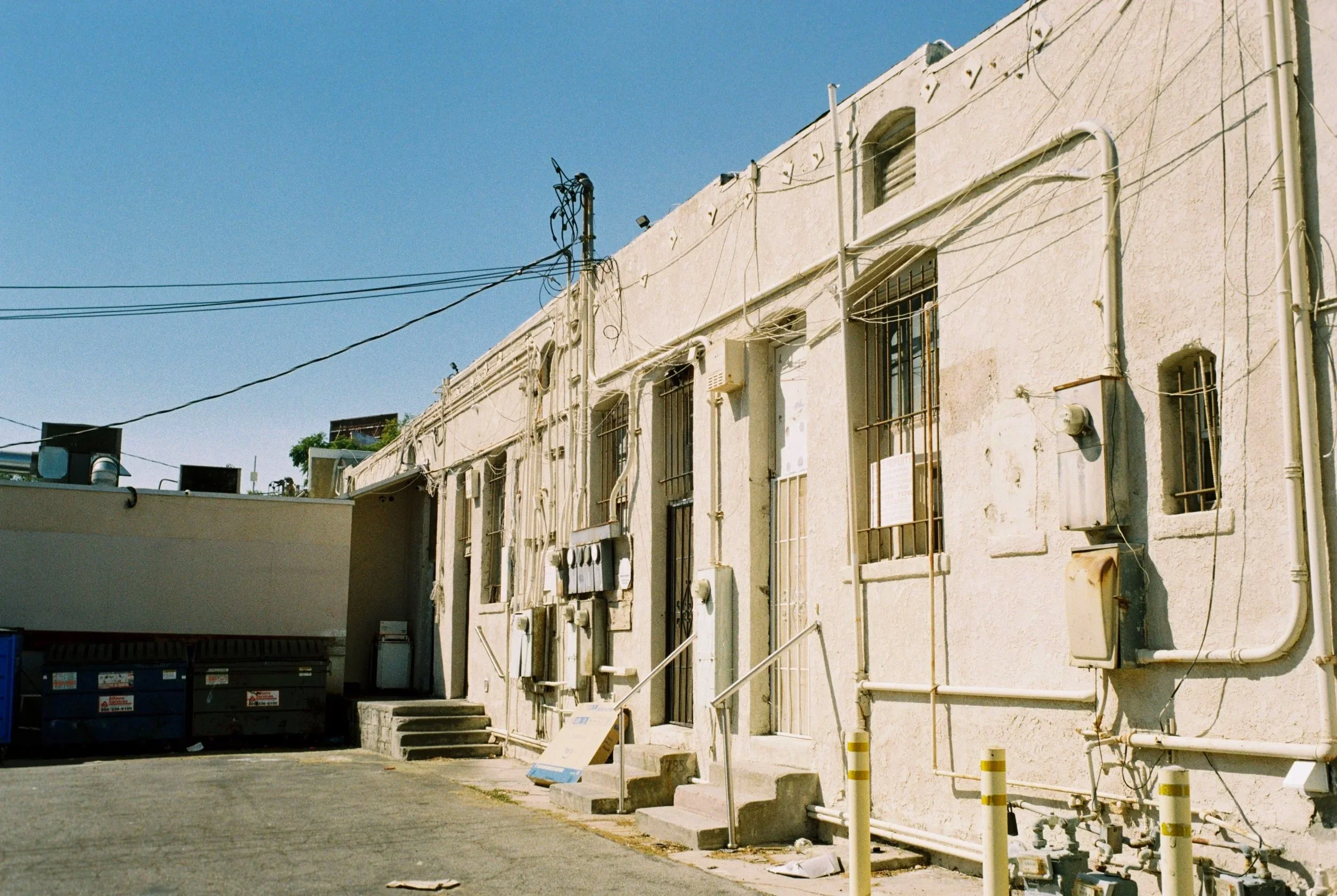
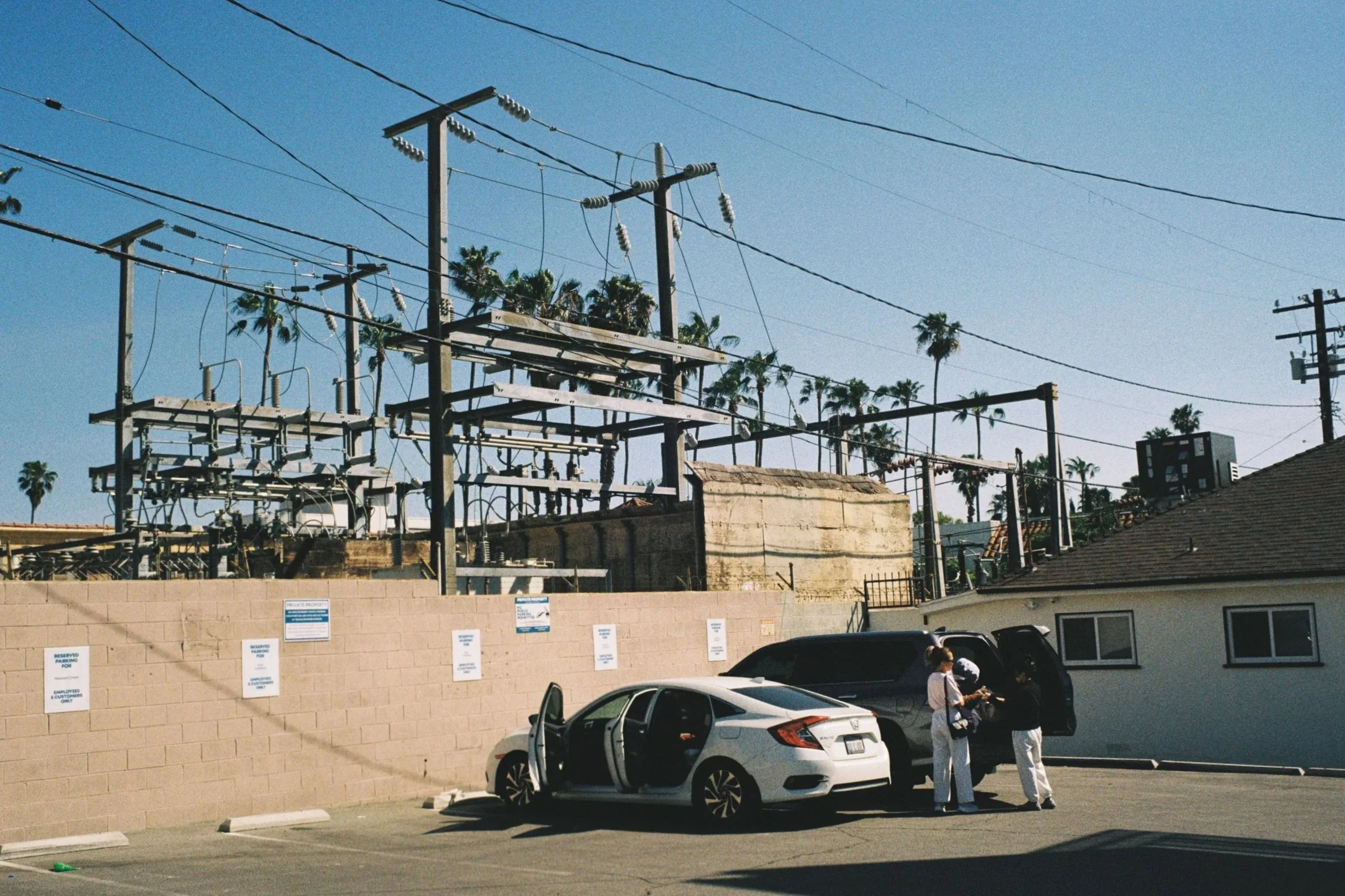
Photographs we took along the way.
“All those palm trees and the cables.. this is so LA”. JP