With Alejandro G. Iñárritu
MILANO, SEPTEMBER 2025
Alejandro G. Iñárritu returns to the origins of his career with Sueño Perro: Instalación Celuloide, an immersive exhibition developed over seven years with the support of Fondazione Prada. The project reopens the archive of Amores Perros and transforms what was left behind into something new. Far from a nostalgic retrospective, the installation meditates on fragments, memory, and the unseen possibilities within cinema, inviting audiences to experience his debut film not as a finished story but as a living material. Burcu Beaufort previewed the installation in Milan, thanks to the invitation of Fondazione Prada.
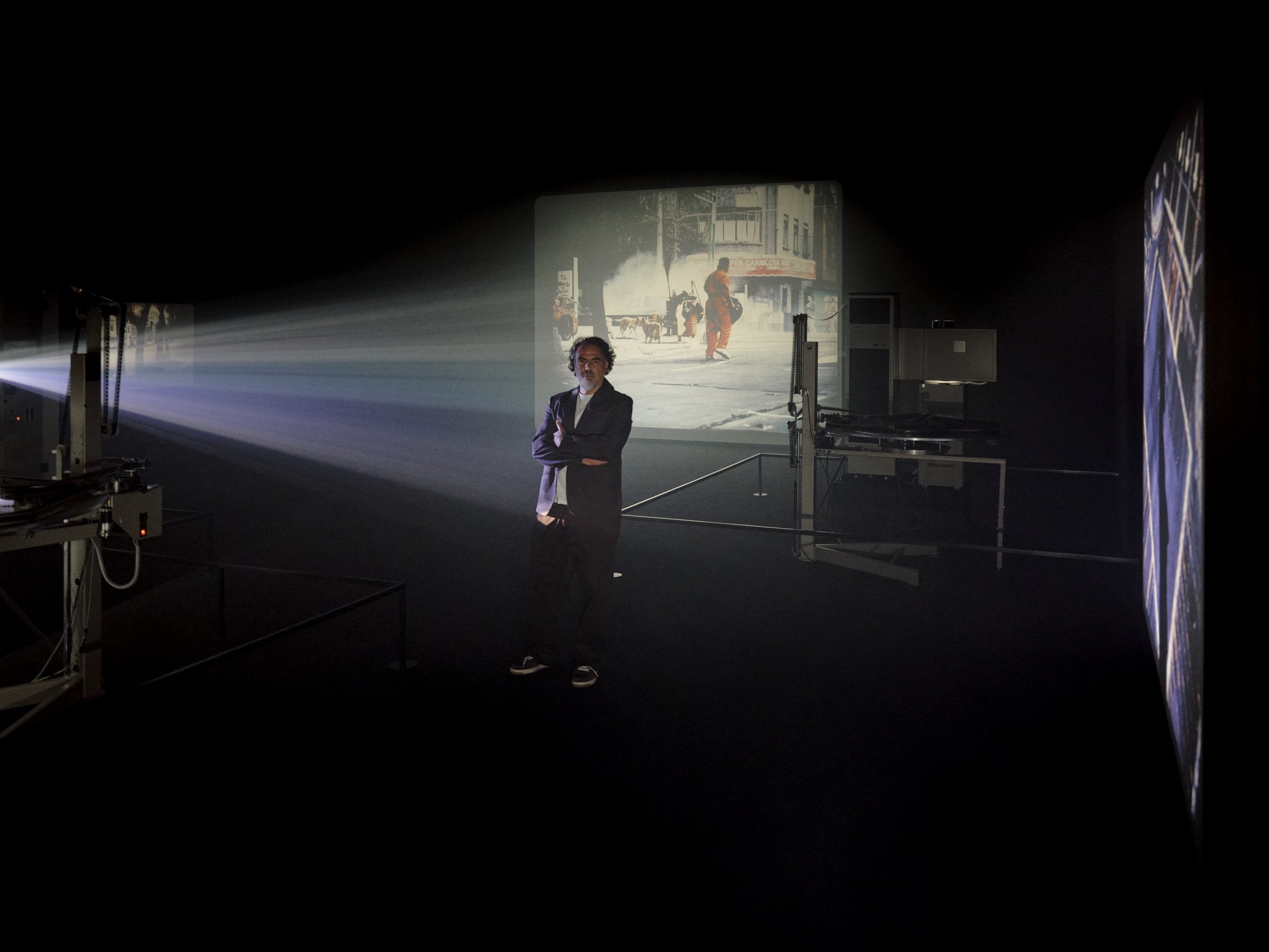
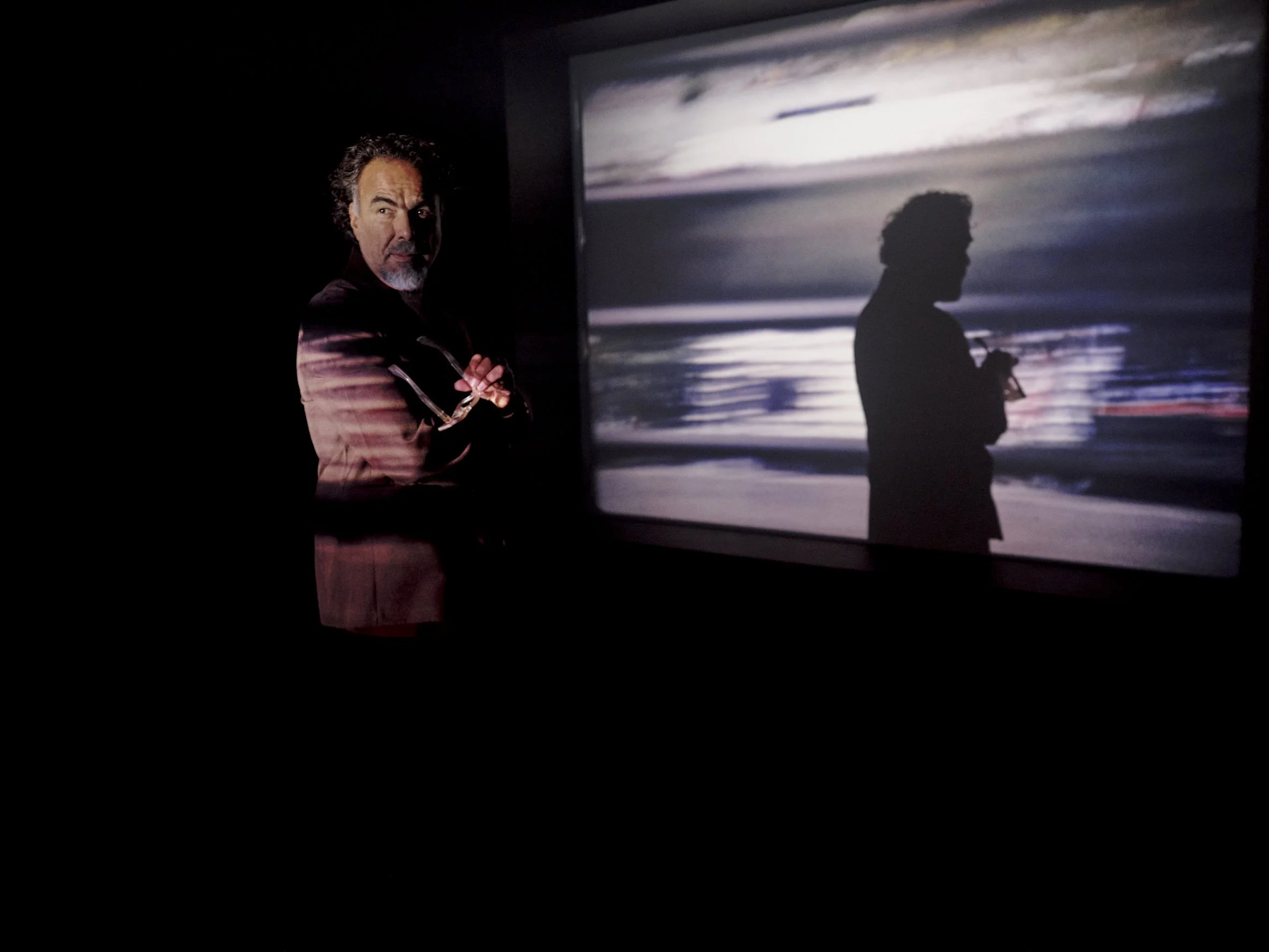
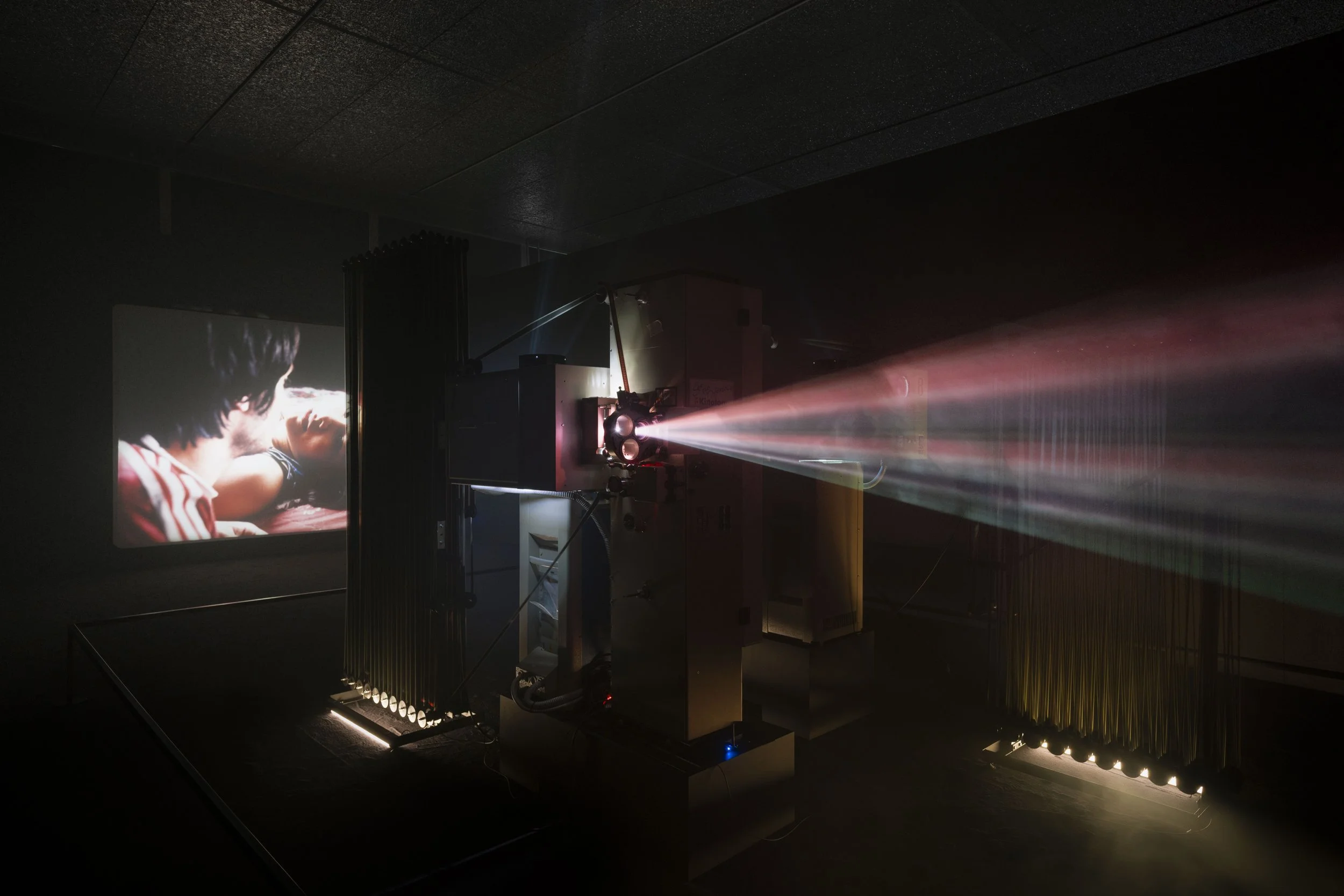
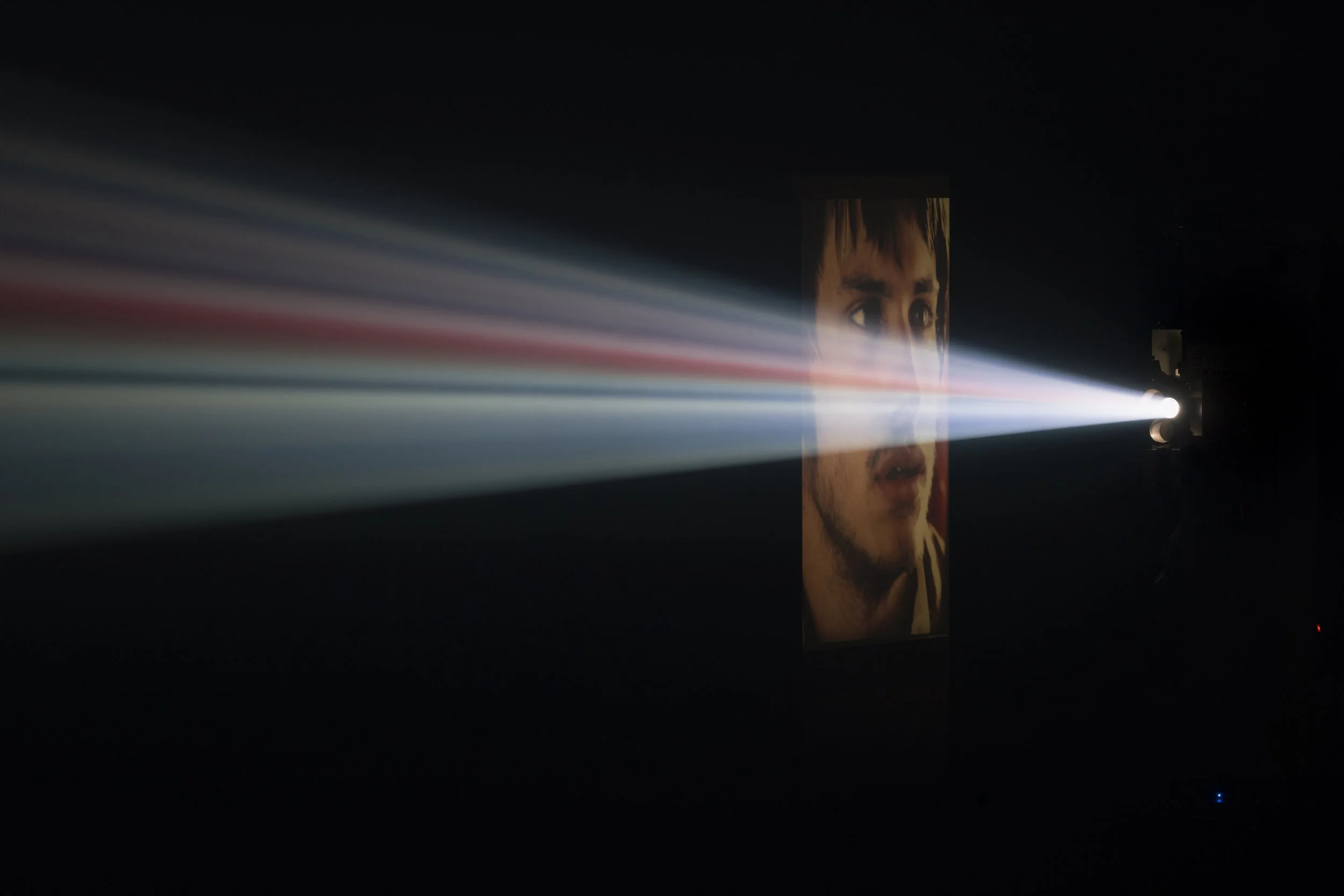
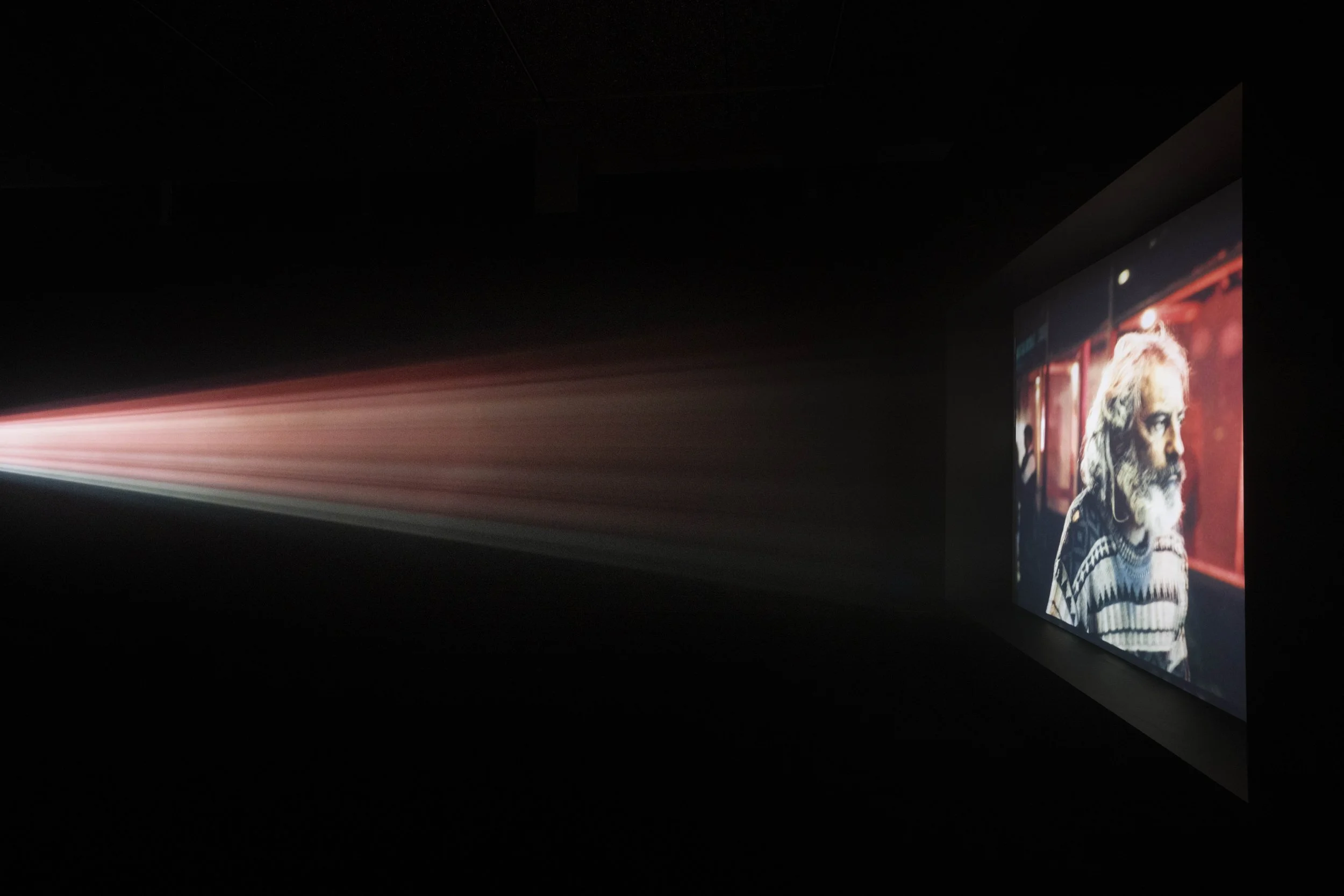
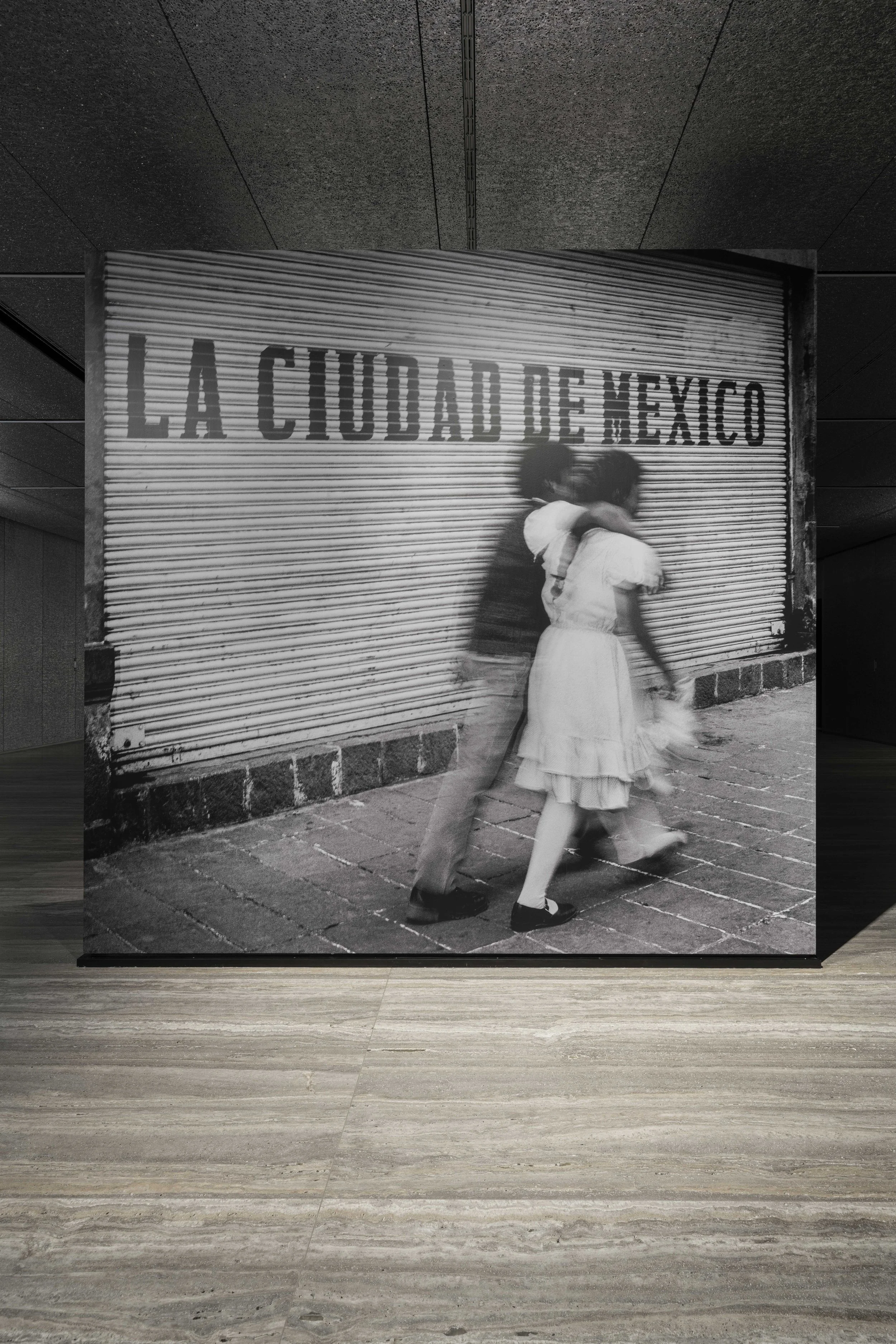
The five-time Academy Award-winning Mexican director Alejandro G. Iñárritu is not someone who enjoys looking back or falling into the traps of the past, which he himself once described as ghostly. Yet after realizing that he had left behind an enormous amount of unused 35mm footage from the editing room of his debut film Amores Perros (2000), his curiosity was sparked. Sueño Perro: Instalación Celuloide de Alejandro G. Iñárritu is not a retrospective but a celebration of the possibilities of alternate outcomes within a film. How many films can exist inside a single film?
As free as his approach is, so open is the answer. The installation is presented with large, beautifully crafted projectors built by Kinoton, a German company founded in 1948 and in operation until 2014. Iñárritu notes that this machinery, already rare and on the verge of extinction, has been difficult to install and operate, as few technicians still know how to handle it. Still, he insists it is worth the effort to reveal the raw beauty of celluloid projection to younger generations.
“Over a million feet of film were left on the cutting room floor during the editing of Amores Perros. These intensely charged images were buried in the UNAM (National Autonomous University of Mexico) film archives for twenty-five years. On the occasion of the film’s anniversary, I felt compelled to revisit and re-explore these abandoned fragments. How many films exist within a film? Exploring the raw material over the past years, these mountains of celluloid crazily remind me of a discarded placenta which contains so much richness. Stripped of all narrative, this installation is not a tribute, but a resurrection – a celebration of what never was. Like meeting an old friend we have never seen before.” Alejandro G. Iñárritu
Twenty-five years after making his debut feature Amores Perros, Alejandro G. Iñárritu returned to the film and its unseen remnants, searching for traces that had been left behind.
“I was searching for something beyond any precise goal or narrative,” he says. “It was not intellectual or about telling a specific story. It was more about discovering what was behind, or within, the film I made so long ago. I remember I didn’t charge for anything, and I think in the end I shot a huge amount of material, around a million feet of film, which was extraordinary and all my money went for that. The finished film is two hours and thirty seven minutes, but that is only about fifty thousand feet out of one million feet of film.”
Revisiting the raw footage, he explains, allowed him to discover things he hadn’t seen before.
“When I started rewatching the material, I looked at it with completely different eyes. During editing, I focused on very precise pieces to fit a narrative. But now, I let the material flow freely without a story attached. I noticed things I had not appreciated before: long takes, sequences that were left out, moments that were never used. Those leftover pieces were incredibly rich in a different way. Revisiting them was a completely different exercise of image, sound and memory through the light. For me, it is as if a child is born in the room and the placenta is left aside. The placenta is not the child, but it carries the DNA, the richness, the protein. In the same way, all these fragments I left out of the film are full of life. I wanted to gather those pieces, the ones I never used but could have used, and put them together. For me, that was the exercise, to create something like ghost material, traces of what might have been, and to give them shape.”
The installation took years to realize, involving complex logistics and disappearing technologies.
“This project took seven years to complete, from selecting the material to its final installation,” he recalls. “It is a very complex undertaking that involves many specialists and numerous projectors. Most of these projectors came from Locarno, where some people were simply looking to get rid of them. In a way, this machinery is on the path to extinction, and very few people remain who know how to operate these machines. Putting everything together has been technically very challenging, so I want to thank Fondazione Prada for the support they have given us. The installation will also be shown in Mexico and Los Angeles.
I loved the creation process because it felt like an experiment. It frees me from narrative, plot, or storytelling. For me, it is like a game. I prepare a room where the audience can be surprised and feel like a child, exploring in these dark spaces. I hope visitors let themselves go, playing with their shadows, the light, and the screen.”
For Iñárritu, the work is less about narrative and more about physical experience.
“I wanted to create a very sensorial, very physical experience,” he says. “As in CARNE y ARENA, I love exploring spaces and possibilities through movement. Each visitor moves through the rooms in their own order, creating their own personal narratives. There is no right or wrong sequence, and everyone experiences it differently. We cannot underestimate the power of 35mm film, which is unique. The way it projects light is closer to human perception than pixels, and I wanted younger generations to feel that, to experience the raw beauty of film.
The way people experience this will differ regardless if they have seen the film before or not. For me, when I was in the exhibition, knowing the film very well, looking at these images and prints was like a dream. It was like when you dream, you dream with people you know, but they are not in the right place, or they are not as you remember. So it’s like seeing something very familiar, but something you haven’t seen before. I want to let you go in and dream. The sound is sourced from Mexico City over many years, evoking sensations and memories. The format is open, raw, and uncorrected. There is no post-production polishing or corrections; it is just the material as it exists.”
The stories at the heart of Amores Perros, he reflects, grew out of real life experiences — his own, those of screenwriter Guillermo Arriaga, and of others close to them.
“Together with the writer Guillermo Arriaga, we have developed this story over three years,” he explains. “Many of the stories in the film are inspired by real-life experiences or fragments of stories I have known. For example, one segment involves a dog that kills someone. That is crucial. The film would not exist without that scene. A similar story happened to Guillermo himself. Another story comes from a friend whose father’s house had a hole in the floor and his dog went in and was trapped there. They could not afford to open up the floor and waited for the dog to come out by himself, which led to a series of events that became almost surreal. The dog couldn’t come out and in the end was killed by the rats. This story haunted me for a while. These stories are woven together like pieces of a mosaic, forming a fragmented, complex city of narratives.”
Looking back, Iñárritu admits the film remains deeply personal, though he sees each of his works as distinct.
“Every film is different. This one felt very close to my emotions, yes, but each project brings its own challenges and discoveries. This was my first feature film, and it involved experimenting with multiple stories, multiple narratives. At that time, I liked that approach. Only the first three films were anthologies. Now, I do not feel the same way about that format.”