With Kelly Reichardt
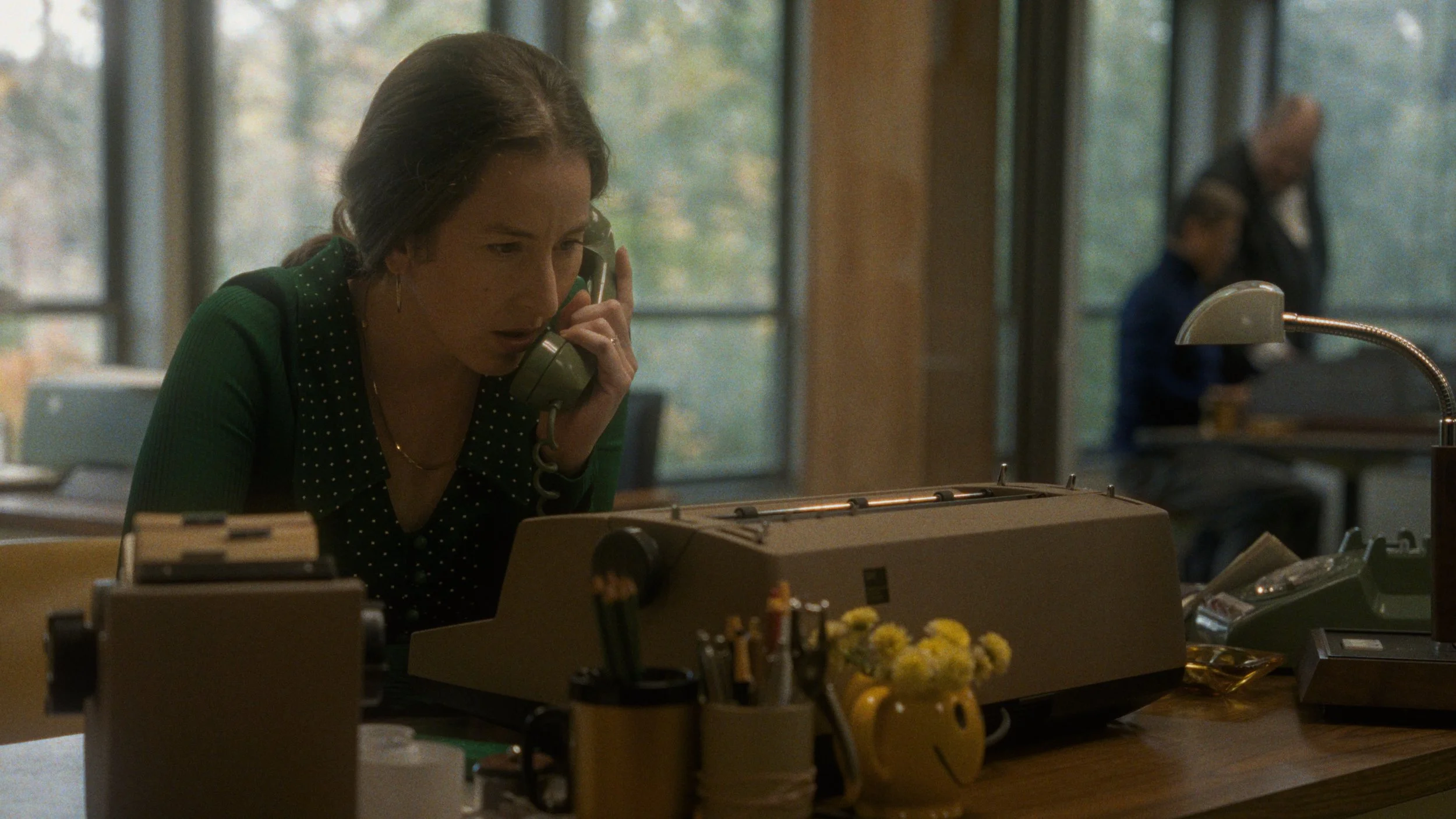
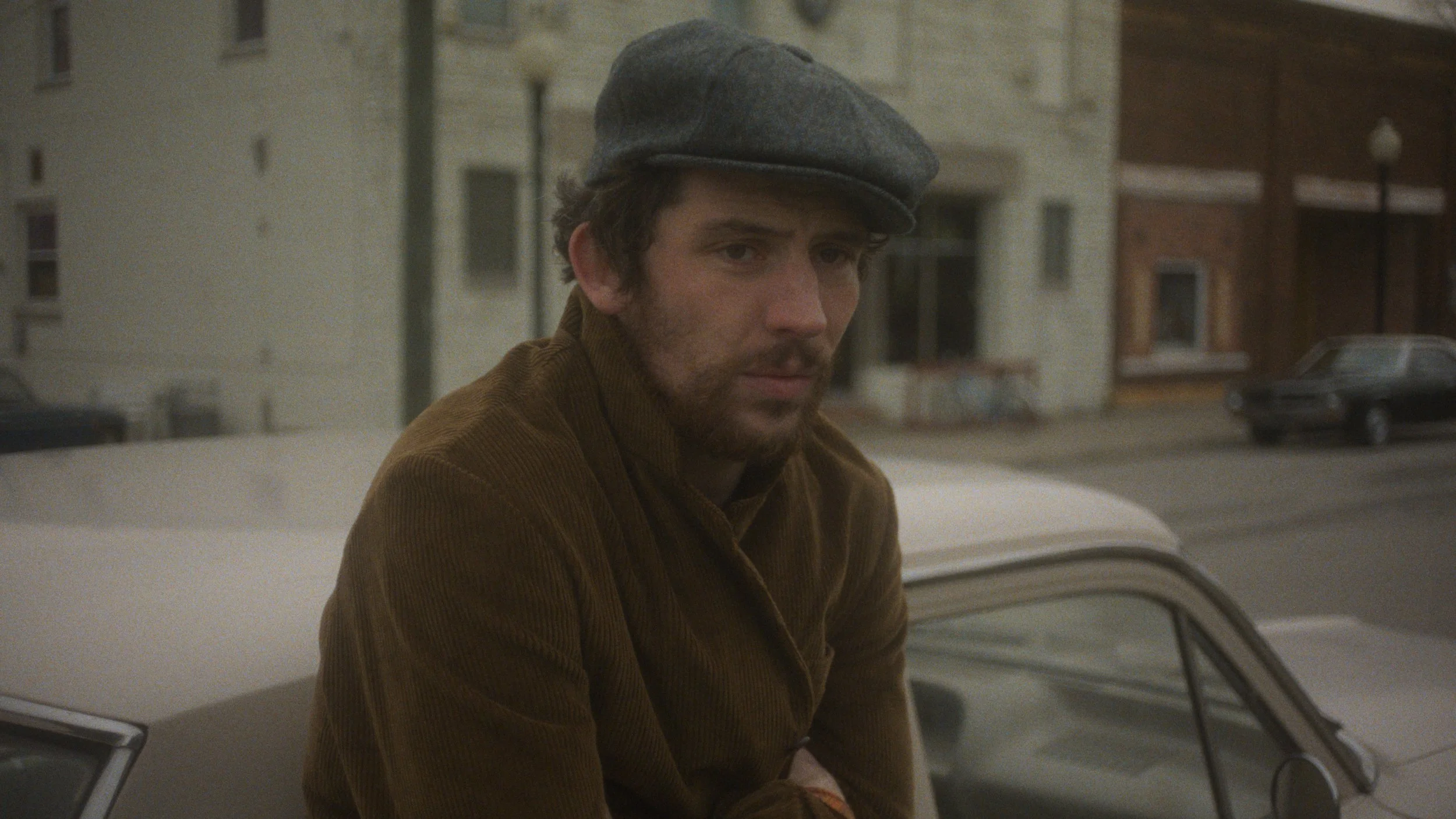
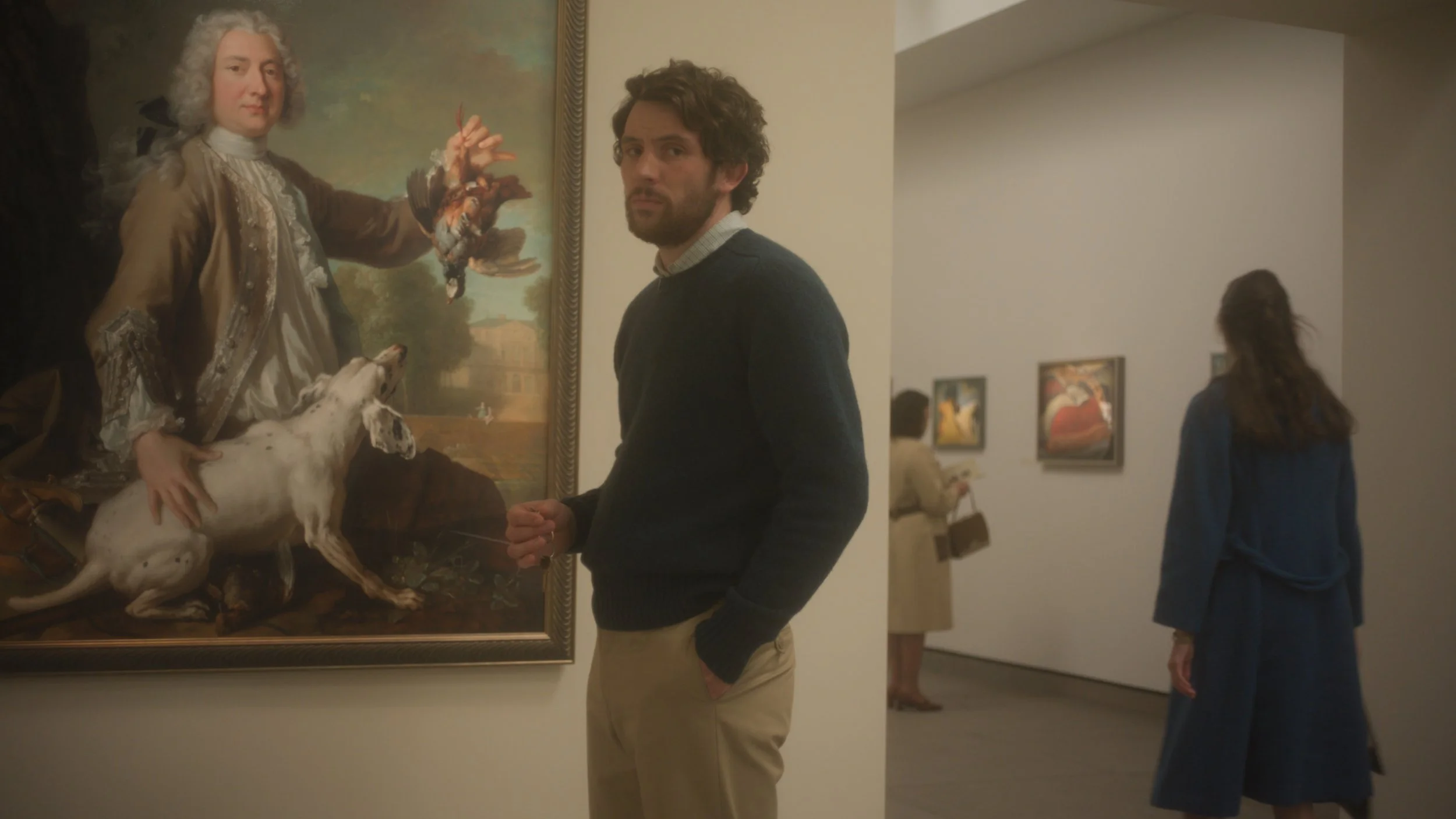
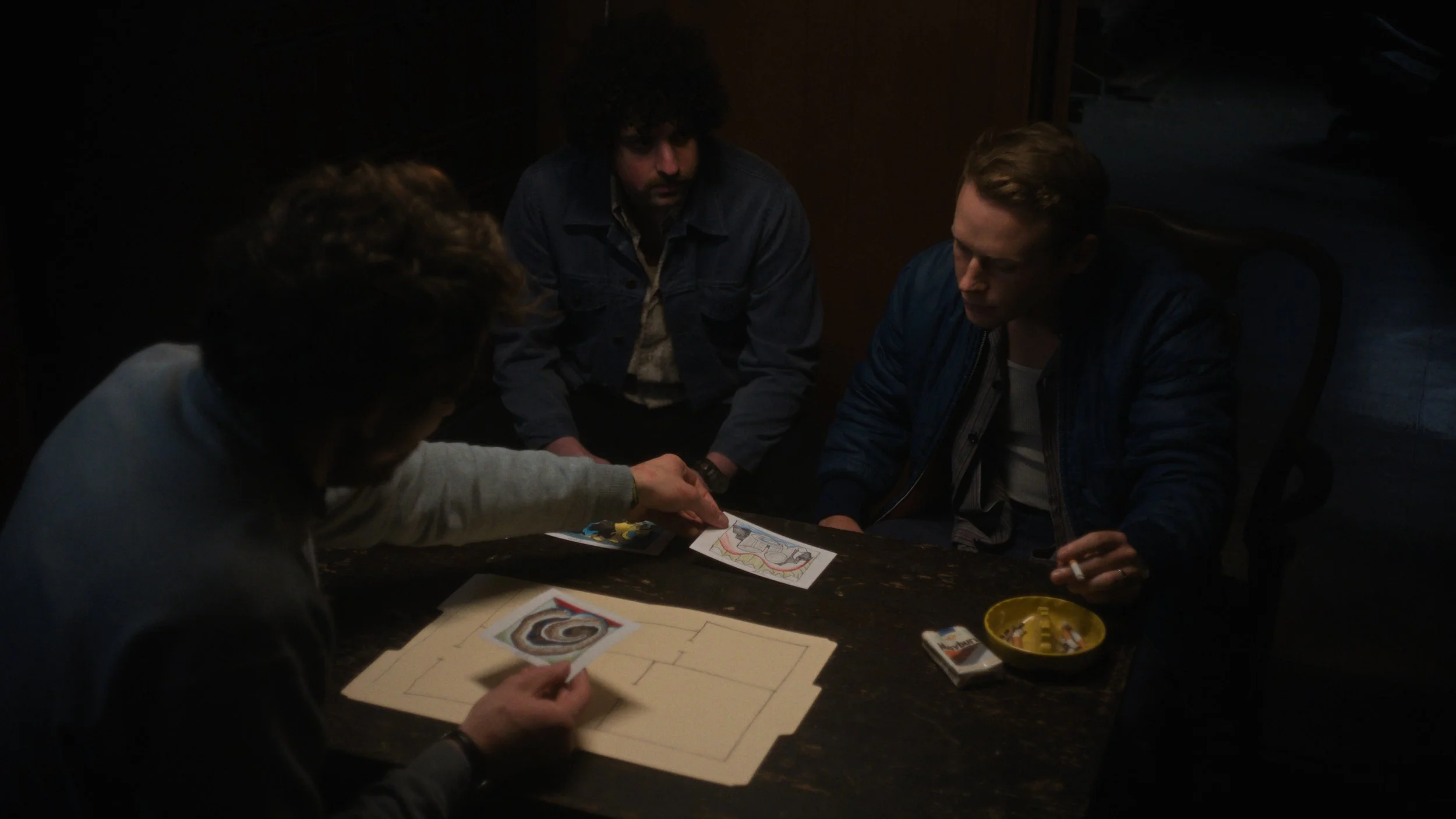
Premiered in Cannes, The Mastermind (2025) is an art heist movie in its very own terms. The movie is rather an observation brought onto the big screen with earth-toned scenes soaked in jazz beautifully. The story unfolds slowly and the main character’s evil essence is revealed in quite a subtle way, just as in life. It’s intelligent, it’s witty, and the acting is on point.
Below our conversation with the director Kelly Reichardt, in Berlin.
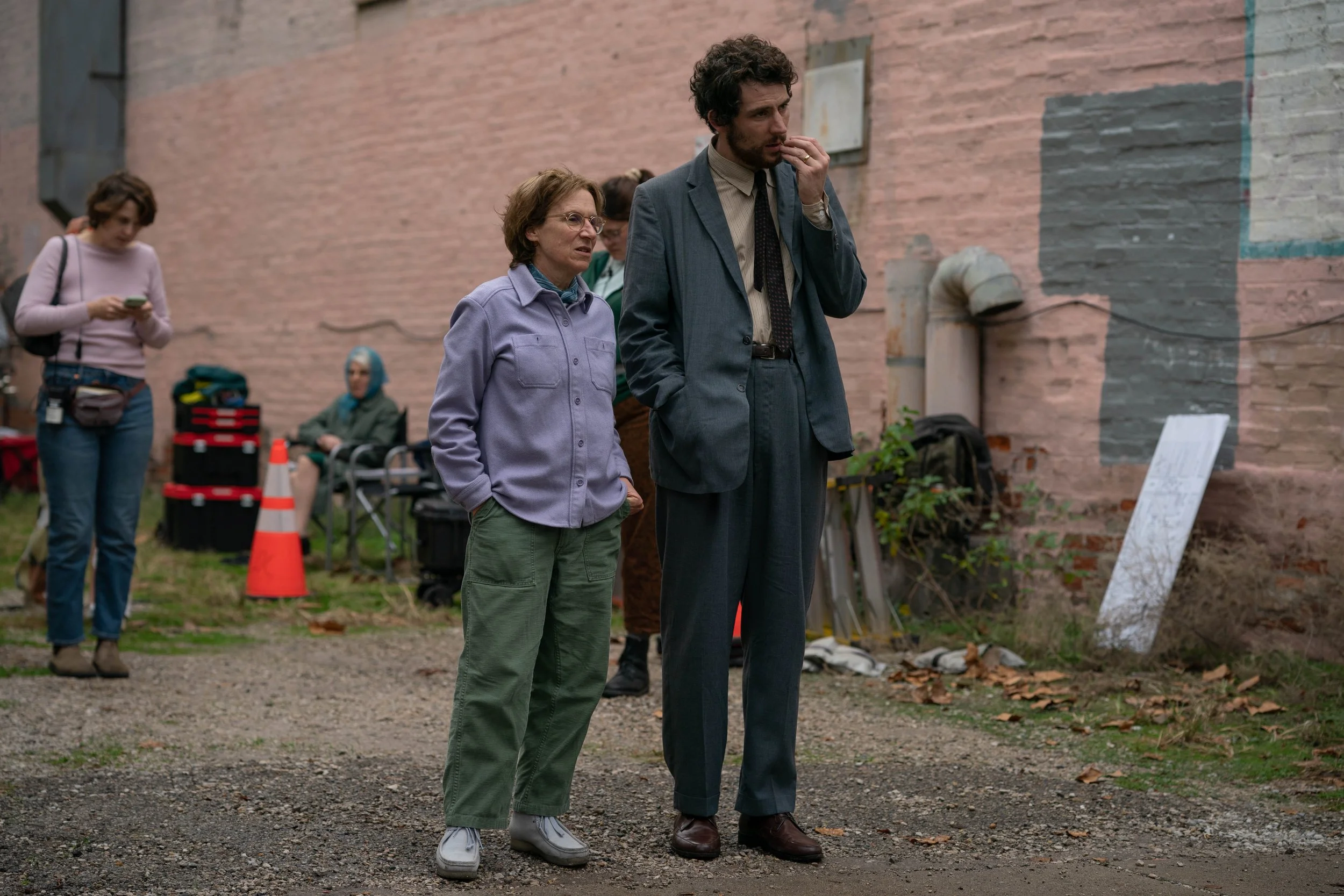
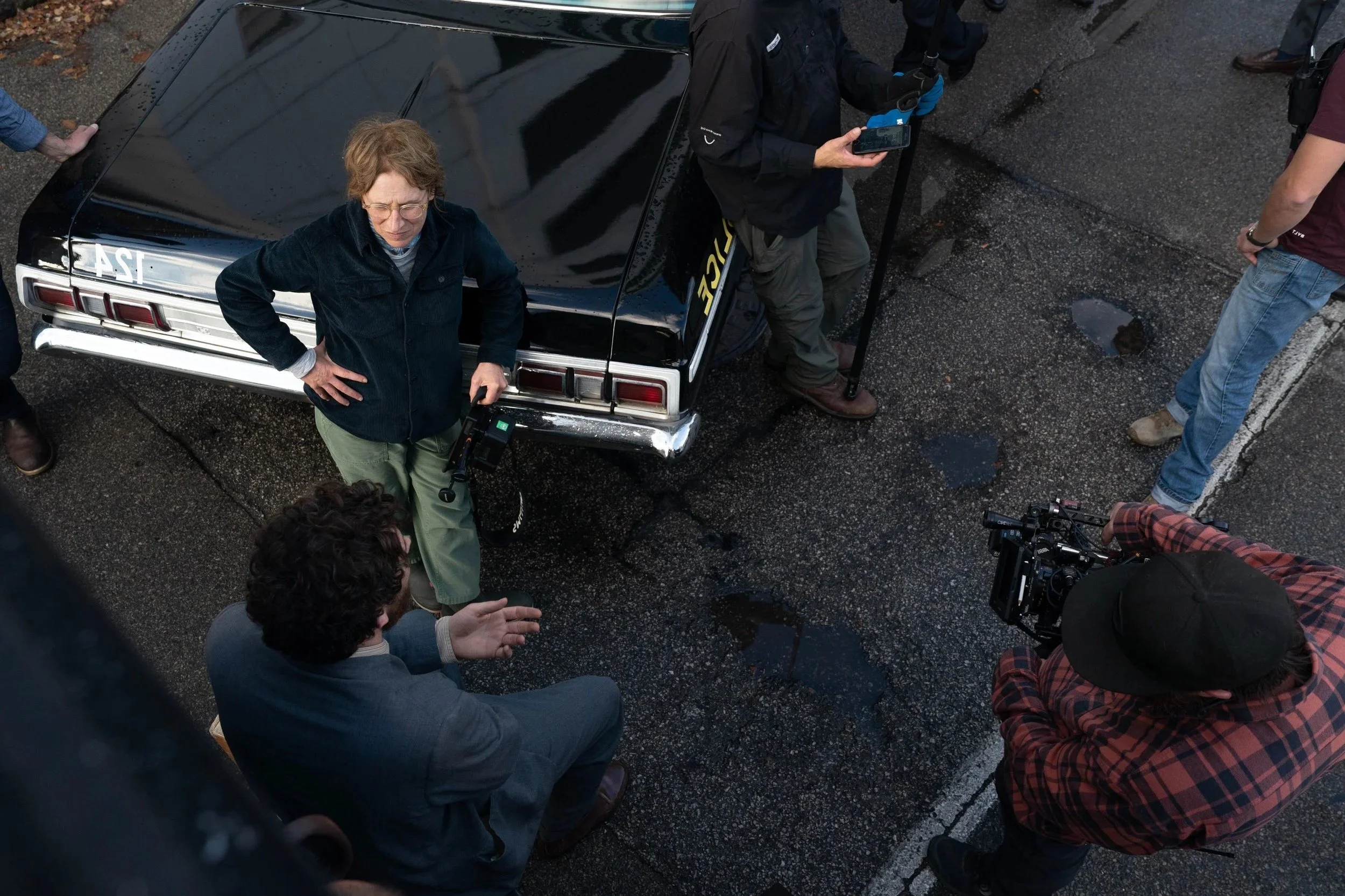
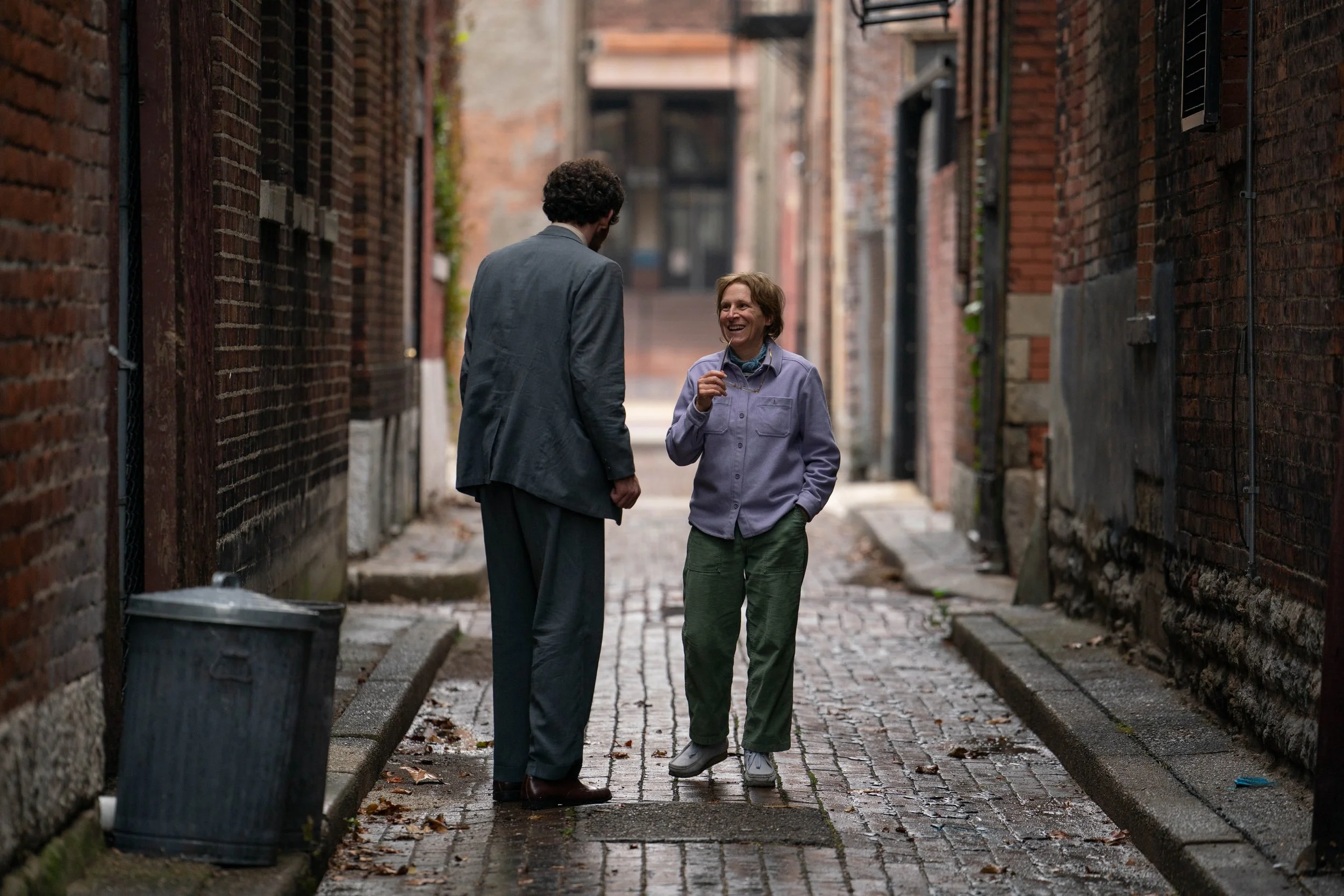
Images with the courtesy of MUBI
Burcu Beaufort: I saw your movie in Cannes. It’s very gripping, and I found it subtly funny, especially how the anti-hero James, who supposedly is the mastermind, is so reckless yet in such a foolish way.
Kelly Reichardt: Yes, that was the humor intent from the beginning. Maybe one could do it completely serious, but for me, the humor is just there.
BB: You’ve written and directed it. How long did it take? I don’t think it took years, or am I mistaken?
KR: I started writing it when Showing Up was out. It was in May 2022. So I started working on The Mastermind two, three years ago.
BB: The character James, played by Josh O’Connor, has many levels. He is subtle, profound, and quite manipulative. How did you get inspiration, from a novel or your observations? It's very real.
KR: I don’t know, I just wrote it. When you start writing, you slip into it. I didn't have a particular person as a reference, but to some degree, he's a person you can project a lot onto. There's a bit of vagueness because he's vague to himself. Josh O’Connor brings a lot in his physicality, timing, and response to situations. It's a process, so it’s hard to say where things came from.
BB: How did you decide Josh would be the right actor to play James?
KR: I saw him in God’s Own Country (2017) and The Crown (2016). I can’t remember if I talked to him before Alice’s film or after, but he’s so different in all his characters. He has real physicality, his face changes, and I knew he could do the accent. The filmmaker Chloé Zhao introduced us. I had him in mind for a long time. I was lucky it worked out.
BB: The movie title, The Mastermind. I expected a plan, a real mastermind, but it’s the opposite. Why did you want this heist to be done in such a simple way?
KR: There were many snatch-and-grabs in that era, before the 70s. The Gardner Museum theft, where Rembrandt was stolen in 1972, is famous because it was armed and security increased after it. Before that, running in and grabbing art was common and much easier, simpler. No phones, guards were retirees.
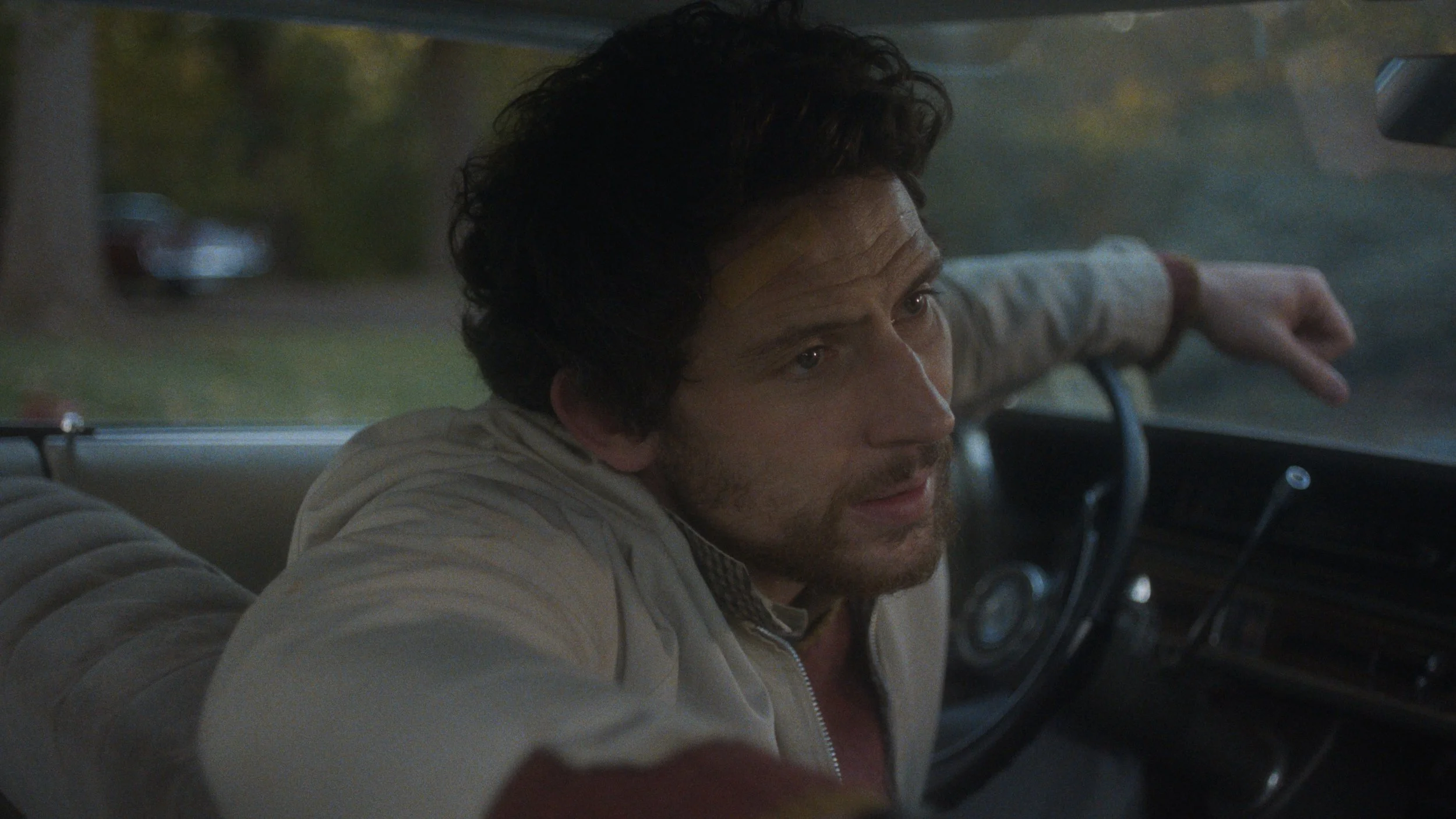
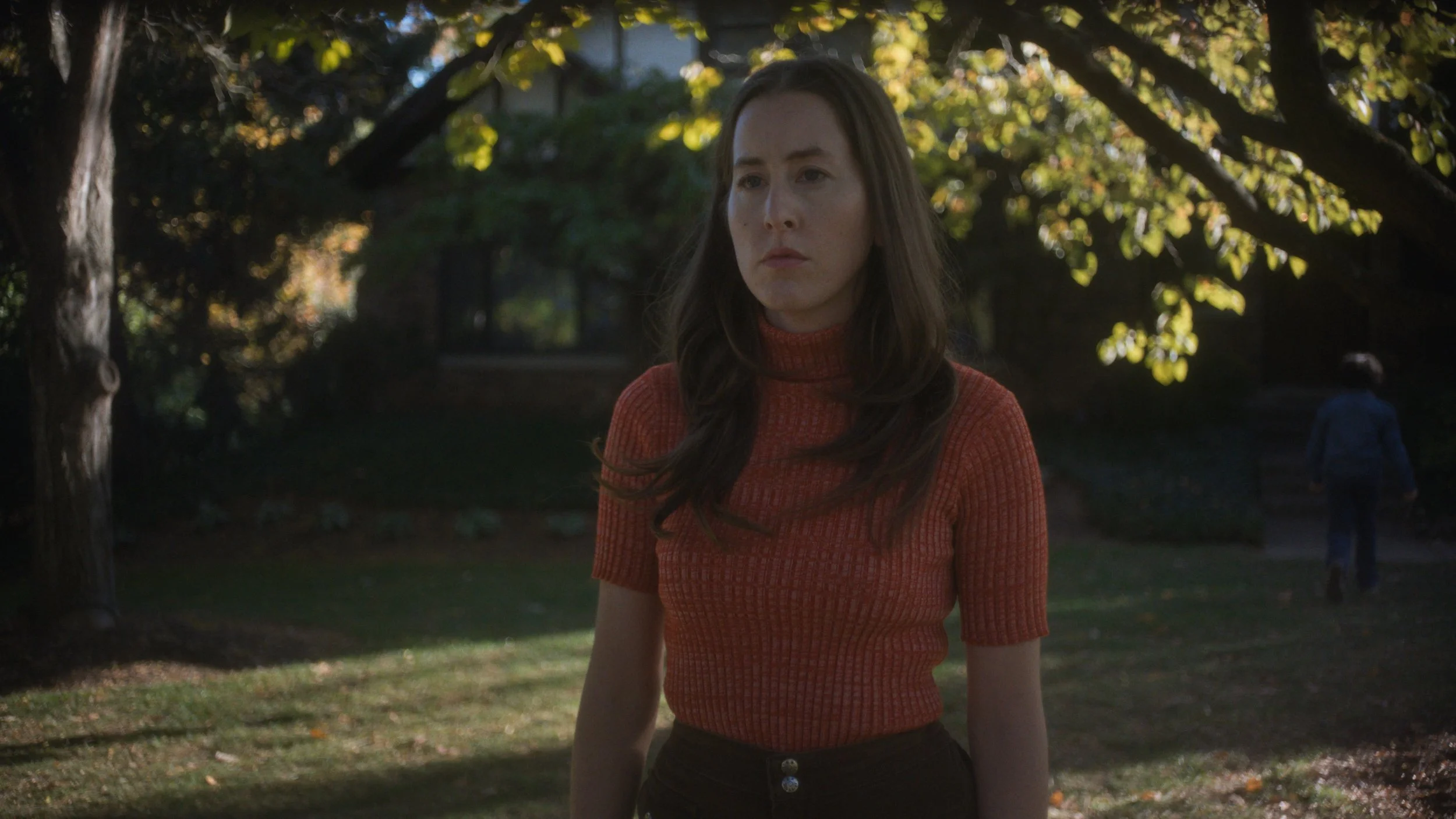
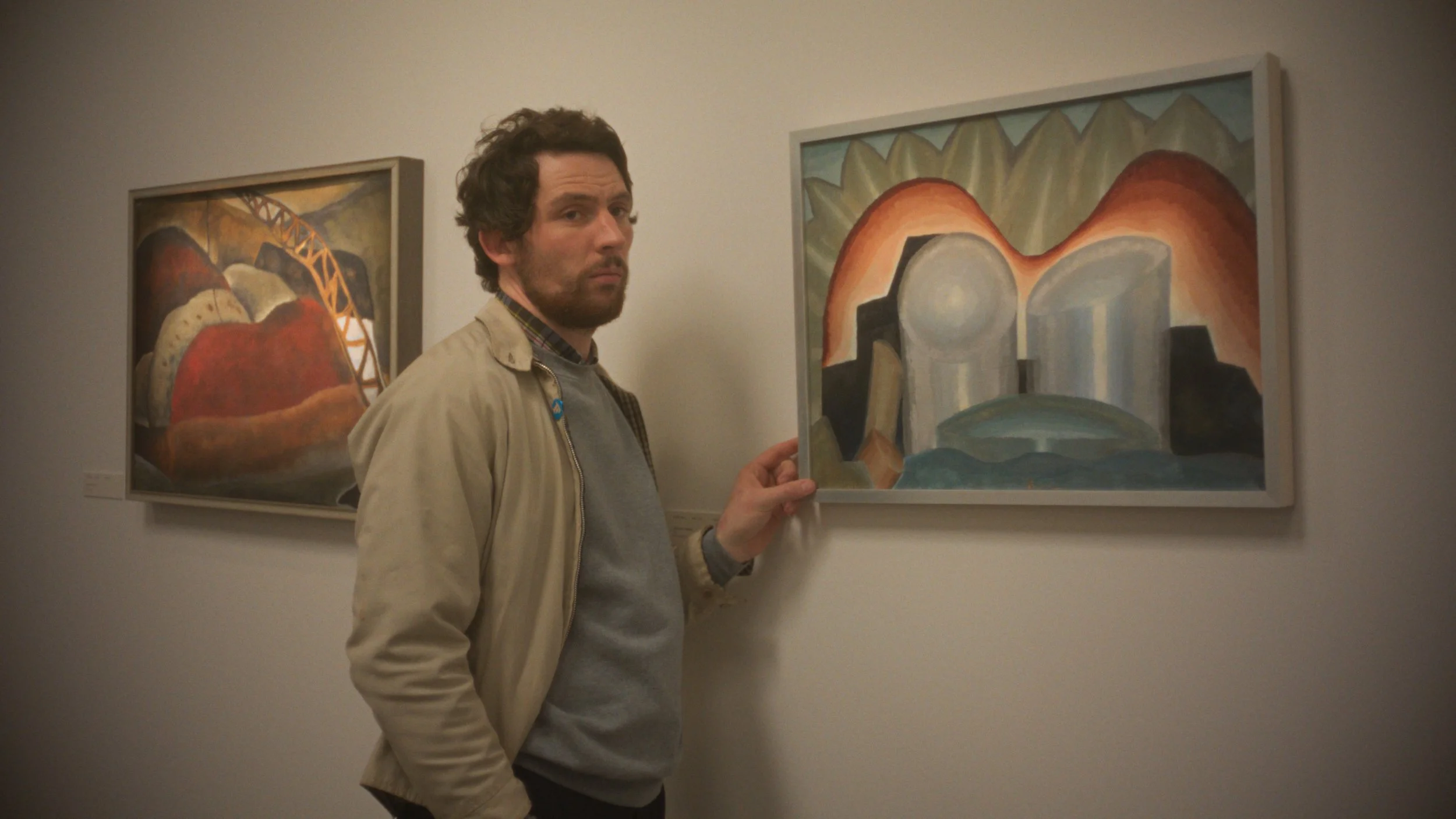
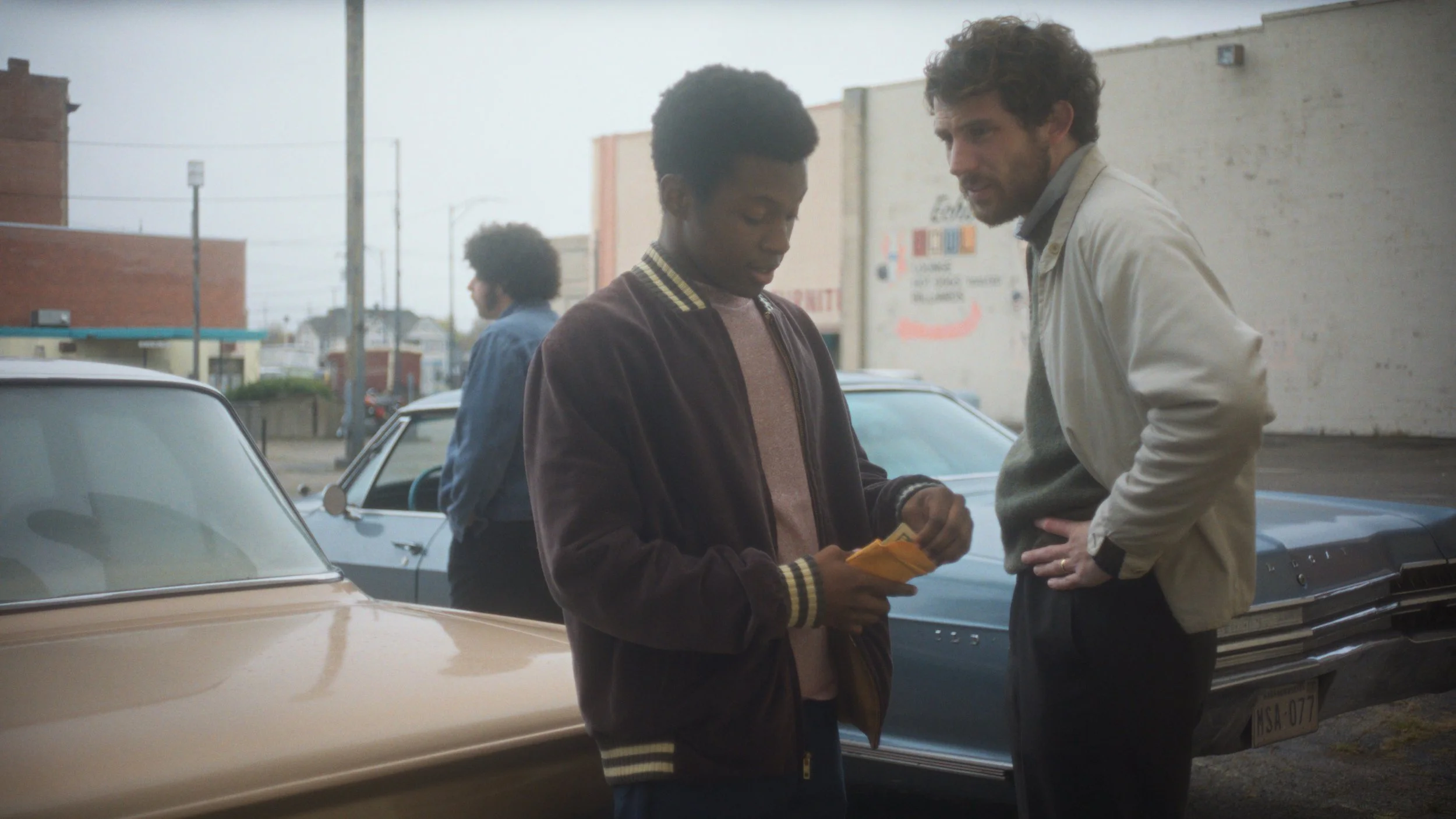
Images with the courtesy of MUBI
BB: Other reasons to choose the 70s?
KR: The film is playing in 1970, end of the '60s, post-1968 disillusionment. America expanded the Vietnam War into Cambodia, there were the Kent State shootings (1970), union protests. It was volatile, with lingering rejection of 1950s suburban life. There was no clear road of where togo with those traditions anymore in the post '60s time. So I decided to set it in this murky moment where the '60s are moving into the '70s.
BB: I won’t ask political questions. The New York Film Festival (2025) interview answers a lot. You’re probably not the most optimistic about the world or America’s position.
KR: Yeah, exactly.
BB: You also teach at Bard College in New York. In the movie, James is an art school dropout. Any students like him coming in? Are they eager to make films, or are some not so interested?
KR: Students are young, figuring out what they want. I had a student who didn’t get into the film class she wanted, ended up in philosophy, and loves it. Some old students show up at screenings, tell me what they’re making. Bard is liberal arts, investigation and thinking, not just industry training. Photography is amazing; Stephen Shore teaches. The film department is experimental, not narrative-focused.
BB: Last question. The jazz music by Rob Mazurek, I love it. How did you work with Rob? You knew his work before? His music enhances the scenes beautifully.
KR: No, I got onto his older band and used some music as temp score. Then I met Rob, cut up his music sloppily to show ideas. Then a long editing back-and-forth. He’s a trumpeter and composer, fantastic.