The History of Sound: The Potato Eaters in Loro Piana
Cannes, May 2025
By Burcu Beaufort
Ahead of its theatrical release in Germany, we revisit our review of The History of Sound by Oliver Hermanus, which premiered at the Cannes Film Festival and was nominated for both the Palme d’Or and the Queer Palm.
After winning the Queer Palm at the Cannes Film Festival with Beauty (2011), South African director Oliver Hermanus returns to Cannes with the beautifully shot love story “The History of Sound” starring two of the buzziest actors in recent years, Paul Mescal and Josh O’Connor. The film is written by Ben Shattuck, based on his short story of the same name.
Set in early 20th-century Kentucky, before the outbreak of World War I, the story follows Lionel (Paul Mescal), a talented rural boy with perfect pitch who perceives musical notes as colors and can even identify the note his mother coughs. Discovered by a local school teacher, Lionel is eventually sent to the Boston Music Conservatory, where he crosses paths with David (Josh O’Connor), an academic musicologist passionate about collecting folk songs from across the country.

Paul Mescal in The History of Sound. ©Universal Pictures International Germany
Their affair is interrupted when David is called to serve in the army after the United States enters the war. Nevertheless, the two briefly reunite some time later, hiking through the wilderness of northeastern state Maine and recording locals singing folk songs onto wax cylinders.
“At moments, the film evokes Van Gogh’s The Potato Eaters—but dressed in Loro Piana, as if hardship had been art-directed into elegance.”
Lionel’s musical journey takes us from rural America to Rome and England, each destination revealing its own distinct soundscape, before ultimately returning to his roots in America and to folk music.
The film gently gives space to this American heritage, with lyrics that perfectly resonate with the underlying themes of loss and longing.

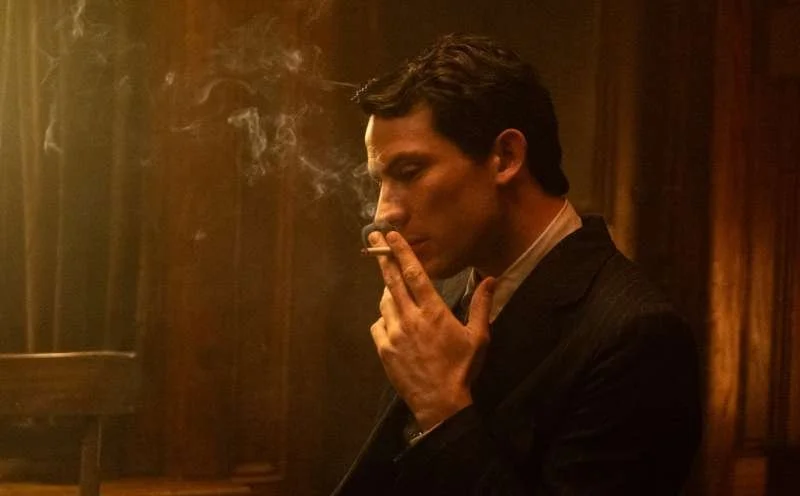
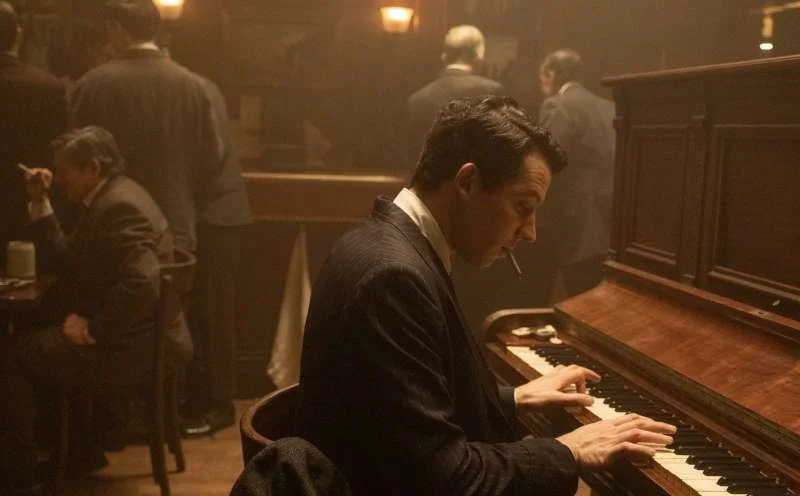
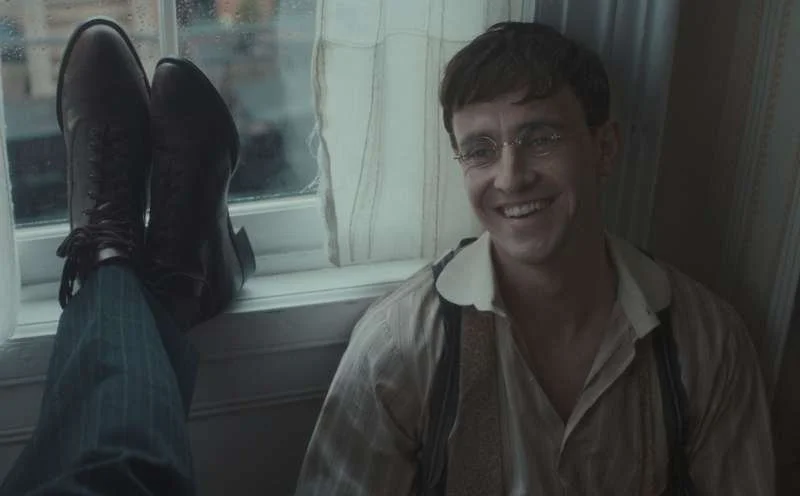
©Universal Pictures International Germany
However, as touching as the folk songs are, the almost-perfect cinematography and somewhat overly staged scenes keep the audience at a distance, preventing full immersion in this passionate love story. The beautifully designed period costumes, while visually impressive, fall short of capturing the era’s rawness—they feel too luxurious, too comforting, oddly at odds with the silent suffering of two lovers unable to live their love openly in those times. At moments, the film evokes Van Gogh’s The Potato Eaters—but dressed in Loro Piana, as if hardship had been art-directed into elegance.
The aura and talent of both actors certainly contribute to the film’s overall reception. O’Connor is fully in his element, while Mescal’s Southern accent occasionally feels less natural. Still, thanks to its strong cast, the film is well worth watching. It offers an insightful glimpse of a bygone era while gently making room for the legacy of American folk music.